
Last updated November 2, 2026
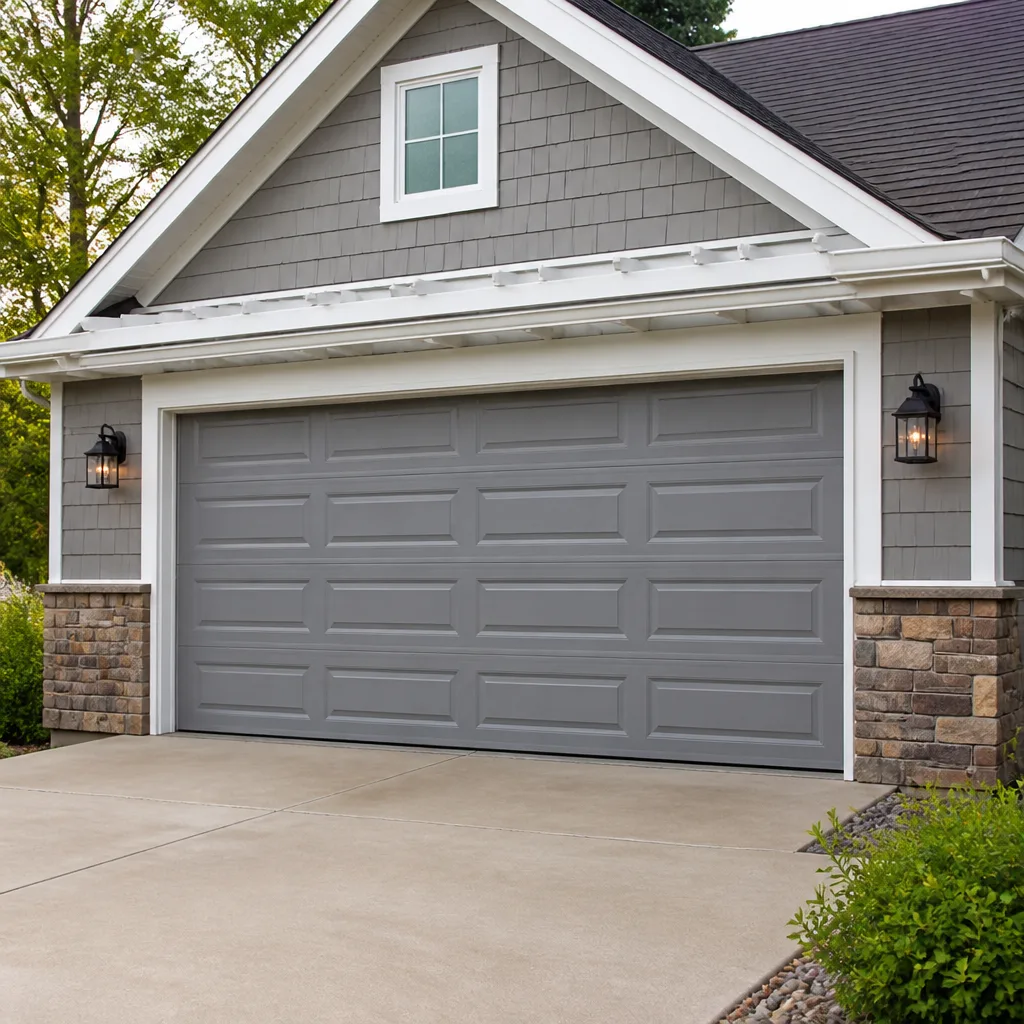 Raised-panel steel
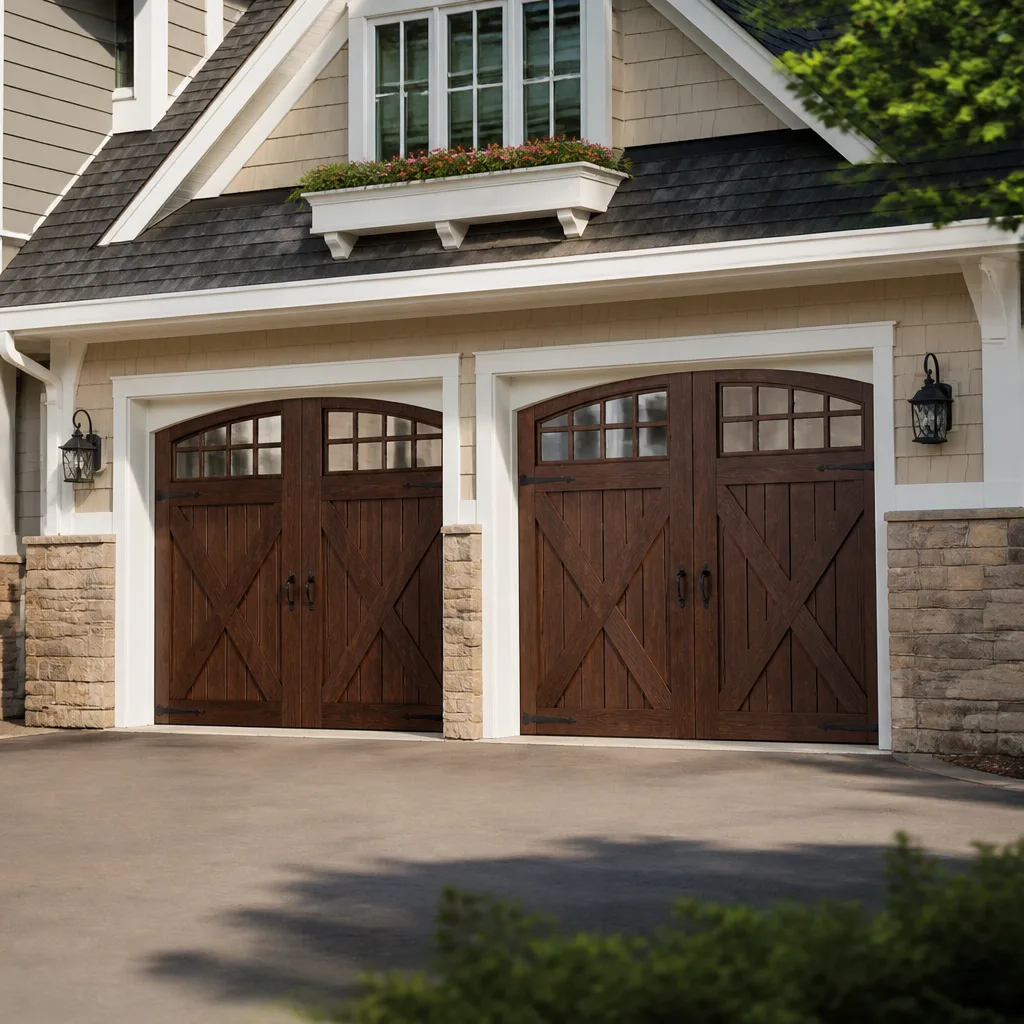 Carriage house
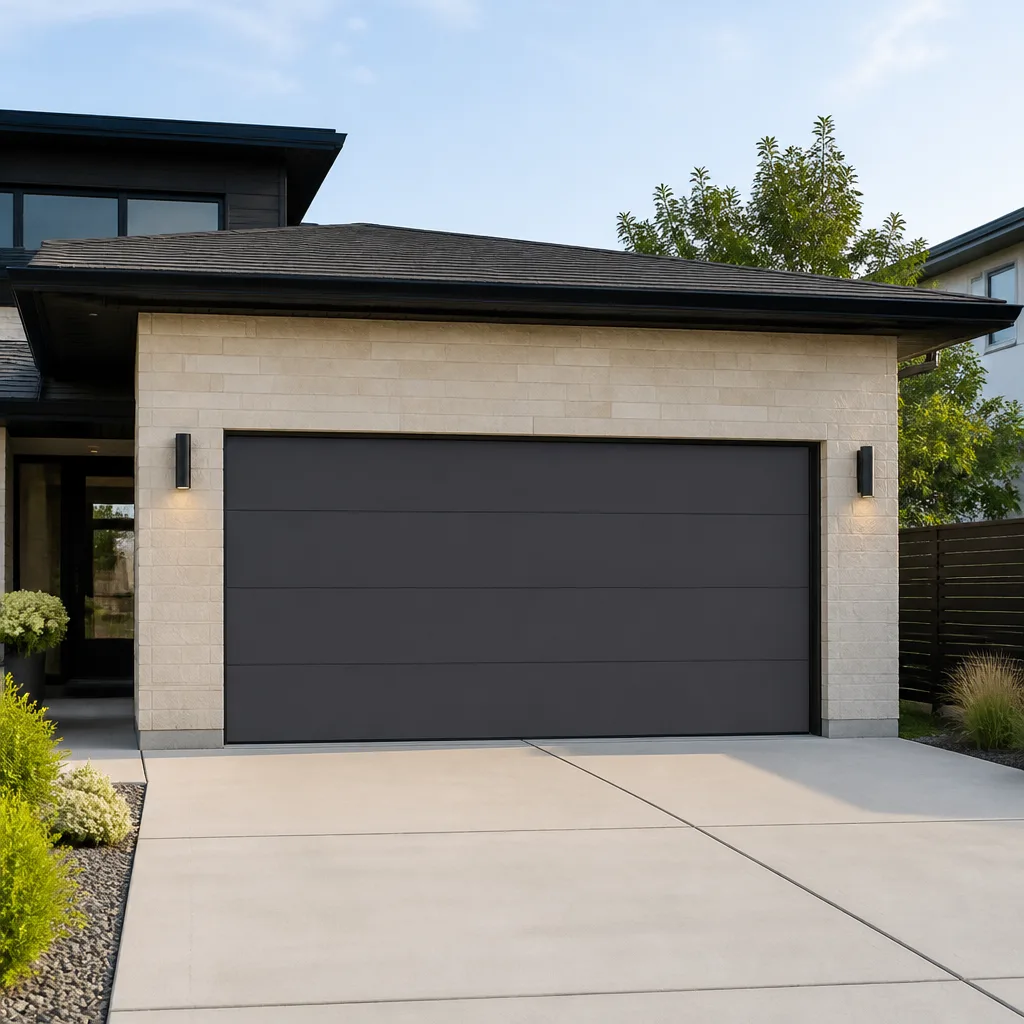 Modern flush
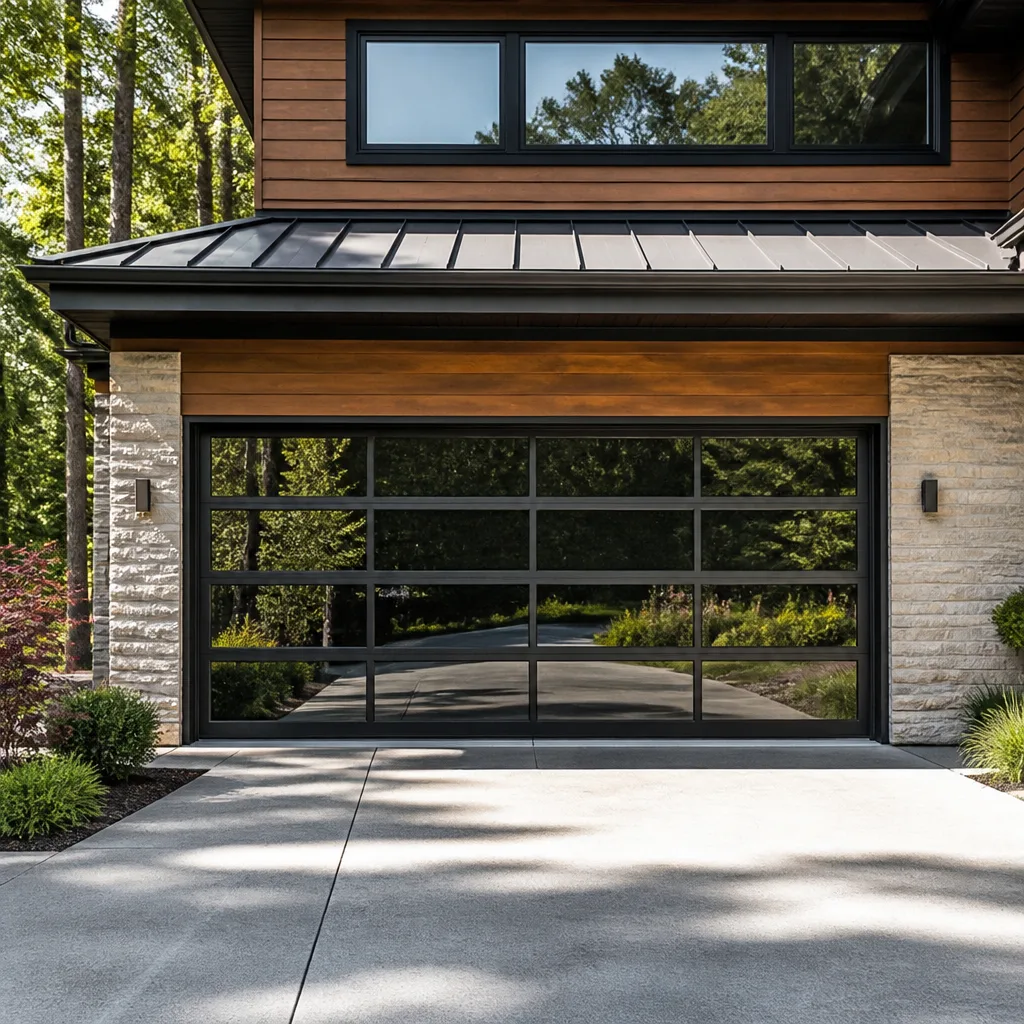 Full-view glass
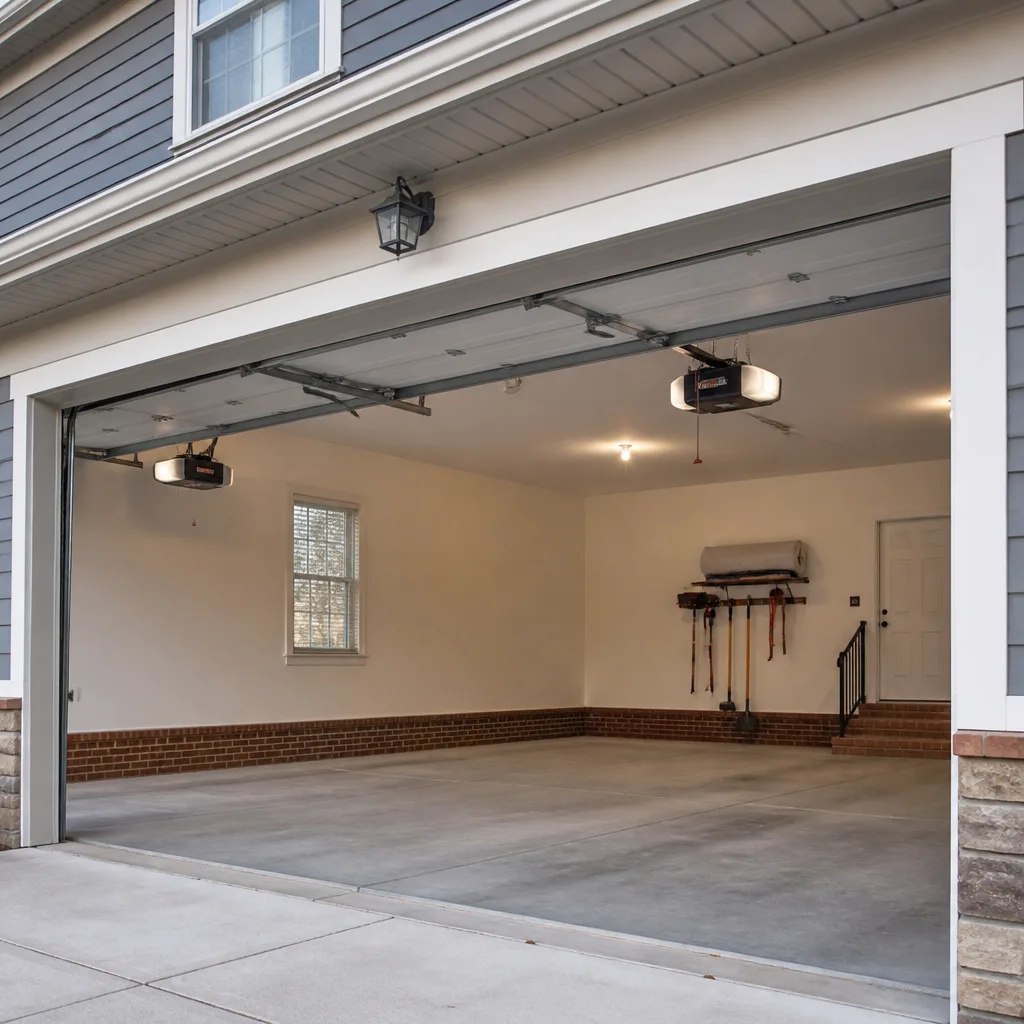 LiftMaster openers
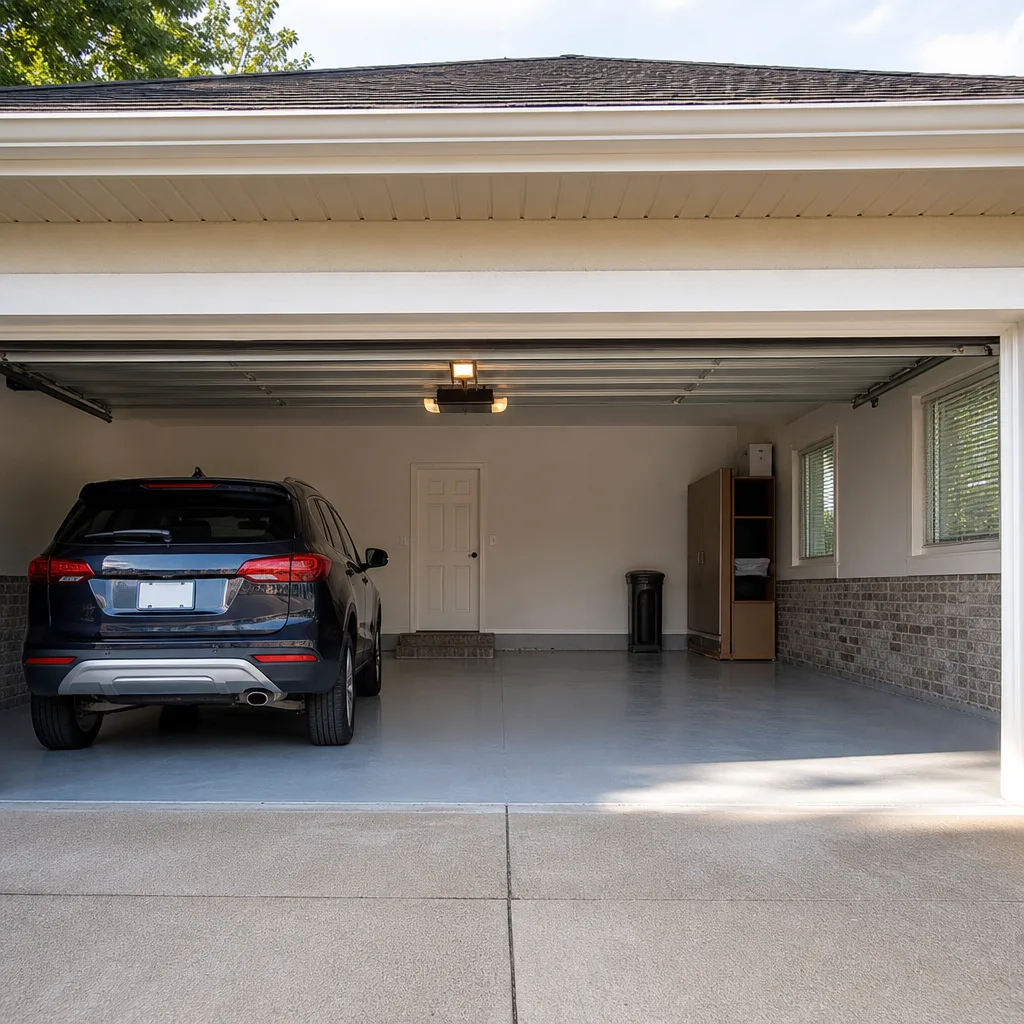 Chamberlain openers
Full 25-point door and opener safety check with every visit - springs, cables, rollers, tracks, and your LiftMaster or Chamberlain opener included
You get a price before we start. It does not change when the truck arrives.
Get your free estimateGarage Door Cost Breakdown: The Midway Homeowner’s Reference for 2026
Two quotes for the same Clopay 4050 door can differ by $400, and neither contractor is necessarily gouging you. One is quoting 10,000-cycle springs. The other is quoting 25,000-cycle springs. Neither quote labels it. That’s the core problem with garage door pricing in Midway: the numbers look comparable, but the parts underneath aren’t. This guide unpacks every line item so you can compare quotes on identical terms, understand where your money actually goes, and avoid paying for durability you don’t need or skimping on components that’ll fail in three years. For ongoing care, see our Garage Door Repair Maintenance Checklist for Midway Homeowners.
Quick Answer
A full garage door replacement in Midway, CA typically runs $1,200 to $4,500 installed for a standard single or double door, with the panel itself accounting for 40 – 60% of that cost. Springs, opener, labor, and haul-away fees each add separate line items that most quotes bundle without explanation. The single biggest variable in your final price is spring cycle rating, not door brand.
Styles & brands we work with
- Raised-panel steel
- Carriage house
- Modern flush
- Full-view glass
- LiftMaster openers
- Chamberlain openers
Table of Contents
- Part-Level Cost Breakdown: What You’re Actually Buying
- Labor Variables: Why Installation Quotes Differ
- Where to Spend More (and Where Standard-Grade Is Enough)
- The ‘Just the Opener’ Trap: Why Skipping the Spring Inspection Costs You
- How to Read a Quote for Hidden Costs
- Midway-Specific Factors: Climate, Codes, and Tract Home Realities
- Common Mistakes to Avoid
- When to Call a Professional
- Frequently Asked Questions
Part-Level Cost Breakdown: What You’re Actually Buying
A garage door system is six or seven distinct components, each with its own price range and lifespan. When a contractor hands you one bundled number, you can’t see which parts are cheap and which are correctly spec’d. Here’s what each piece costs in the Midway market as of 2026.
Door Panel (The Door Itself)
The panel is the largest single line item. For a standard single-car door (8×7 or 9×7), expect $600 to $1,900 depending on material and insulation. Double doors (16×7) run $1,100 to $3,400. Steel doors from value-oriented brands like Craftsman sit at the lower end. Mid-tier steel from Wayne Dalton and Raynor lands in the middle. Amarr’s insulated steel and wood-look composite lines command the top of the range. Your construction vintage matters here: Midway’s older ranch homes with narrower garage openings may need custom sizing, which adds 15 – 25% to the panel cost.
Springs (By Cycle Rating)
This is the line item that separates honest quotes from thin ones. Torsion springs are rated by cycles (one cycle equals one open-and-close). Standard builder-grade springs are 10,000 cycles, which translates to roughly 4 – 7 years of normal use. Springs rated at 25,000 cycles cost about $60 – $90 more per spring, but last two to three times longer. The part price difference between a 10,000-cycle and 25,000-cycle spring is small. The failure cost difference is not. When a spring snaps, you’re looking at a $180 – $340 replacement call. For a double door, you need two springs. When you compare quotes, ask for the cycle rating in writing. A $400 price gap between two quotes for the “same” door usually lives here.
Cables and Rollers
Cables are inexpensive, but they’re a safety-critical component. Expect $20 – $45 per cable set. Rollers vary widely: plastic rollers cost pennies and wear out fast; steel rollers with sealed bearings run $8 – $15 each and a full set of 10 – 12 rollers adds $80 – $180 to the job. Nylon rollers are quieter and cost $3 – $5 more per roller. These differences sound trivial, but if a quote seems suspiciously low, check whether it includes a full roller replacement or just the panel.
Opener (If Replacing)
A new opener runs $220 – $520 for the unit itself, with installation adding $180 – $320 depending on the complexity of the header space and whether new wiring is needed. LiftMaster and Chamberlain dominate the Midway market for good reason: their MyQ platform handles the smart-home integration most homeowners want without adding another app to the phone. A $350 opener installed correctly will outperform a $600 opener installed sloppily. The labor quality matters more than the brand markup.
Keypad and Safety Sensors
An exterior wireless keypad costs $40 – $80. Safety sensors (the photoelectric eyes at the base of the track) are $30 – $60 per set and are required by federal law since 1993. If a contractor suggests skipping sensor replacement or “wiring around” them, that’s a red flag.
- Door panel: $600 – $3,400
- Torsion springs (pair, standard-cycle): $150 – $220
- Torsion springs (pair, high-cycle): $270 – $400
- Cables: $20 – $45 per set
- Rollers (full set, nylon): $80 – $180
- Opener unit: $220 – $520
- Keypad: $40 – $80
- Safety sensors: $30 – $60 per set
Labor Variables: Why Installation Quotes Differ
Labor for a full door replacement in Midway typically runs $350 to $750 for a single door and $500 to $1,000 for a double. But that range hides several real-world variables that change the number before the technician ever touches your door.
- Header space. Midway tract homes built in the 1970s and 1980s often have tight header clearances above the door opening. Torsion-spring retrofits need 10 to 12 inches of headroom. If your header is tighter, the installer has to use a low-headroom track kit or relocate the spring assembly. That’s an extra $100 – $180 in labor and parts.
- Disposal of the old door. Some quotes quietly exclude haul-away. Removing and disposing of an old steel door costs $40 – $90. Composite or wood doors cost more to dispose because they can’t always go in the same waste stream. Ask whether the quote includes removal of the old panel, tracks, and hardware.
- Single vs. double door. A double door isn’t just a wider version of a single. It requires a second spring, longer torsion shaft, and more precise balancing. The labor premium for a double door is not double, but it’s real. Expect $150 – $250 more in labor compared to a single.
- Opener compatibility. If your existing opener is older than 15 years, it may not lift a newer, heavier insulated door efficiently. Some contractors will install the new door and leave the old opener in place, which means the motor burns out in a year or two. A specialist who flags this upfront is saving you a future service call.
When comparing labor quotes, ask what’s included line by line. The contractor who lists disposal, spring labor, and sensor replacement separately isn’t padding the bill. They’re telling you where the money goes. The contractor who gives one round number is probably not.
Where to Spend More (and Where Standard-Grade Is Enough)
Not every component deserves your money. Some do. Here’s where the budget should flex.
Spend More: Springs
This is the no-brainer. The price difference between standard and high-cycle springs is under $200 total. A broken spring repair call costs more than that, and it never breaks at a convenient time. If you plan to stay in your Midway home for more than five years, high-cycle springs pay for themselves.
Spend More: The Opener Motor
Spend the extra $80 – $120 on a belt-drive opener instead of a chain-drive. The difference is noise. In Midway’s attached-garage tracts, the garage shares a wall with a bedroom or living space. A chain-drive opener sounds like a freight elevator. A belt-drive is quiet enough that you won’t hear it through drywall. LiftMaster and Chamberlain both make solid belt-drive models in the $350 – $420 range that will outlast the door panel.
Spend More: Insulation (If You Use the Garage)
An insulated door (R-value 9 – 12) costs $300 – $500 more than a non-insulated panel. If you work in the garage, store temperature-sensitive items, or have a room above the garage, insulation is not a luxury. Midway’s summer heat radiates through a non-insulated steel door and turns the garage into an oven by late afternoon.
Standard-Grade Is Enough: Decorative Hardware
Handles, hinges, and decorative straps are cosmetic. The $45 pull handle works as well as the $120 cast-iron one. Spend here only if you care about the look.
Standard-Grade Is Enough: Panel Finish Upgrades
Premium paint finishes and faux-wood textures add $200 – $600 to a door from Amarr or Wayne Dalton. The uptick is aesthetic, not functional. If the door gets sun exposure on a west-facing garage, even premium finishes will fade in Midway’s UV. Standard finishes hold up about the same.
The ‘Just the Opener’ Trap: Why Skipping the Spring Inspection Costs You
We see this call pattern constantly in Midway: the opener dies, the homeowner replaces the opener, the new opener dies within 18 months. The problem was never the motor. It was the spring system underneath. Here’s the mechanical chain of events.
- A worn spring loses tension. Over time, torsion springs degrade. They don’t fail all at once until they snap, but they lose lifting force gradually.
- The door gets heavier. A door with weak springs requires more force to lift. The opener motor compensates, drawing more current and generating more heat.
- The new opener burns out faster. A fresh opener installed on a door with a tired spring system is working against an unbalanced load from day one. The motor wears prematurely. The gear and sprocket assembly strips. You’re back to a dead opener in 12 – 24 months.
The true cost of skipping the spring inspection is not just the price of a replacement spring later. It’s the cost of a second opener install. That’s $400 – $700 in avoidable labor and parts. When you’re getting an opener replaced, insist that the technician checks spring balance before installing the new motor. A balanced door should stay in place when lowered halfway and released. If it drifts, the springs need attention regardless of whether they’ve snapped yet.
This is also why we treat our garage door opener repair in Midway calls as full-system diagnoses, not just motor swaps. The opener is never the whole story.
How to Read a Quote for Hidden Costs
Not every hidden fee is dishonest. Some contractors simply don’t disclose these items unless asked. Others hope you won’t ask. Either way, here’s what to look for.
- Trip fees. Some companies charge $40 – $80 just to come out, credited only if you approve the work. Others waive the trip fee with a repair. Ask before you schedule. A Wexford Garage Door Repair home visit for an estimate should not cost you money.
- Haul-away charges. We covered this under labor, but it appears as a separate line item on many quotes. If it’s missing from the quote, confirm it’s included before signing.
- Same-day service premiums. If a door is stuck open and you need someone now, some companies add a $75 – $150 urgency fee. It’s not unreasonable, but it should be disclosed, not discovered on the invoice.
- Spring “upgrades” at point of sale. A contractor may quote standard springs to keep the number low, then offer high-cycle springs as a paid add-on during installation. There’s nothing wrong with the upsell if it’s labeled. The problem is when a quote doesn’t specify spring rating at all. You have no way to know what you’re paying for.
- Permit fees. Most Midway residential garage door replacements don’t require a permit, but if a contractor tells you one is needed and charges for it, ask for the permit number. In our experience working on garage door repair in Midway, the overwhelming majority of residential door swaps don’t trigger a permit requirement.
Midway-Specific Factors: Climate, Codes, and Tract Home Realities
Midway’s climate and housing stock shape garage door costs in ways a generic national guide won’t tell you.
Heat and UV Exposure
Midway sees sustained summer heat that bakes garage doors, especially west-facing ones. Steel panels absorb that heat, which accelerates paint fade and can warp cheaper non-insulated panels over a decade. Powder-coated finishes and insulated cores perform better in this climate. Count on replacing or re-painting a basic steel door 2 – 3 years sooner in Midway’s sun than you would in a coastal climate.
Tracking Alignments in Older Slabs
Midway’s older tracts were built on expansive soils. Slabs shift over decades. That means garage floors are not always perfectly level, which translates to doors that need more precise track alignment to close flush against the slab. A technician who rushes the installation without checking slab level will leave you with a door that seals poorly at one corner. That’s not a part failure. That’s an installation failure.
Header Clearance in Tract Homes
We touched on this under labor, but it’s worth stating clearly for Midway specifically: if your home was built between 1965 and 1985, there’s a good chance your header clearance is under 12 inches. That means a standard torsion-spring setup won’t fit without modification. In our experience working on garage door installation in Midway, roughly one in three of these tract homes needs a low-headroom retrofit kit. Budget an extra $100 – $180 if you’re in that demographic.
Homeowners’ Association Paint and Style Rules
Some Midway neighborhoods have HOAs with rules about garage door color palettes or approved panel styles. Before you order a custom-color door, check the CC&Rs. Reordering a door panel because the HOA objected is a $1,000 mistake. Most standard white, almond, and brown panels pass without issue, but non-standard colors like black or deep blue sometimes don’t.
Common Mistakes to Avoid
- Comparing quotes without spring cycle ratings. Two quotes for the “same” door can differ by $400 purely because one includes 10,000-cycle springs and the other includes 25,000-cycle springs. Ask for the cycle rating in writing before comparing.
- Replacing an opener without a spring inspection. We see this sequence repeatedly in Midway homes: new opener, dead in 18 months, second opener install. The spring system was the problem all along. Have the balance checked before the motor goes in.
- Ignoring the haul-away line item. Some quotes quietly exclude old door disposal. You find out when you’re standing next to a dismantled door panel in your driveway. Confirm removal is included.
- Buying the most expensive door panel and the cheapest springs. That’s backwards. The panel is the part you look at. The springs are the part that does the work. Spend on springs first.
- Skipping the keypad. A $60 exterior keypad prevents the scenario where you’ve locked yourself out of the house and the garage because the only opener is a remote in the car you can’t reach. It’s a cheap addition that eliminates a common Midway frustration.
- Choosing a contractor who isn’t a garage door specialist. A general contractor who “does doors too” is learning on your house. Ask how many of the last 10 jobs were garage doors. If the answer isn’t “all of them,” keep looking.
When to Call a Professional
Certain jobs are safe to assess yourself. Replacing a keypad battery, reprogramming a remote, or lubricating rollers are homeowner-level tasks. Other jobs are not. Torsion springs are under extreme tension. A snapped spring can cause serious injury if someone without the right tools and training attempts to release or replace it. Cable failures carry similar risk. If your door is off its tracks, if the spring has snapped, or if the door won’t stay balanced when released halfway, stop and call a specialist. Wexford Garage Door Repair offers free estimates in Midway. Call (833) 589-9949 and we’ll tell you what’s wrong, what it costs, and whether repair or replacement makes more sense for this particular door. No obligation.
Frequently Asked Questions
A full replacement in Midway runs $1,200 to $4,500 installed for a standard single or double door, with the panel representing 40 – 60% of that cost and labor, springs, opener, and disposal adding separate line items. The final number depends on door size, material, insulation level, spring rating, and whether your header clearance requires a low-headroom retrofit. Call (833) 589-9949 for a quote specific to your door.
The most common reason is spring cycle rating. One contractor is quoting 10,000-cycle springs while the other is quoting 25,000-cycle springs, and neither labels it on the quote. Other common gaps are haul-away fees, opener compatibility work, and low-headroom modifications that one quote includes and the other doesn’t. Always ask for spring ratings and disposal fees in writing before comparing numbers.
Yes, but only if the opener is compatible with the new panel’s weight. A newer insulated door is heavier than an older non-insulated panel, and an older opener may struggle to lift it. The opener will run hot, wear faster, and possibly fail within a year or two. A specialist should check opener capacity and spring balance before installing a new panel over an existing motor.
Springs. The price difference between standard and high-cycle springs is under $200, but high-cycle springs last two to three times longer. A snap means a service call, which costs more than the spring upgrade would have. Spend on springs before you spend on decorative hardware or premium paint finishes.
For most residential door replacements, no. Midway’s code requirements trigger permits for structural changes, not for like-for-like door swaps. If a contractor tells you a permit is required and charges for it, ask to see the permit number. In the vast majority of residential replacements, no permit is pulled because none is needed. For deeper detail, see Garage Door Permits, Codes & Inspections in CA: What You Need to Know.
A standard single-door replacement takes 3 – 5 hours once the door is ordered and delivered. Most doors arrive from the manufacturer within 1 – 2 weeks of ordering. If the door is in stock locally or the replacement is a common panel size like an 8×7 or 16×7 in white or almond, it can often be scheduled sooner. Call (833) 589-9949 and we’ll check current availability for your specific door size and style.
The Bottom Line
Garage door pricing in Midway isn’t mysterious. It’s just poorly labeled. When you know what each component costs, what the labor variables are, and where hidden fees live, quotes become comparable. The door itself is only half the system. Springs, opener integration, and installation quality determine whether it works for five years or fifteen. Spend on springs and insulation. Skip the decorative markups. Ask for cycle ratings, haul-away confirmation, and header-clearance specifics in writing. And when comparing companies, pick one that works on garage doors all day, every day, not a generalist who fits doors in between other jobs. For more guides & resources, visit our blog.
Written by the team at Wexford Garage Door Repair, serving Midway since 2017.
See the difference
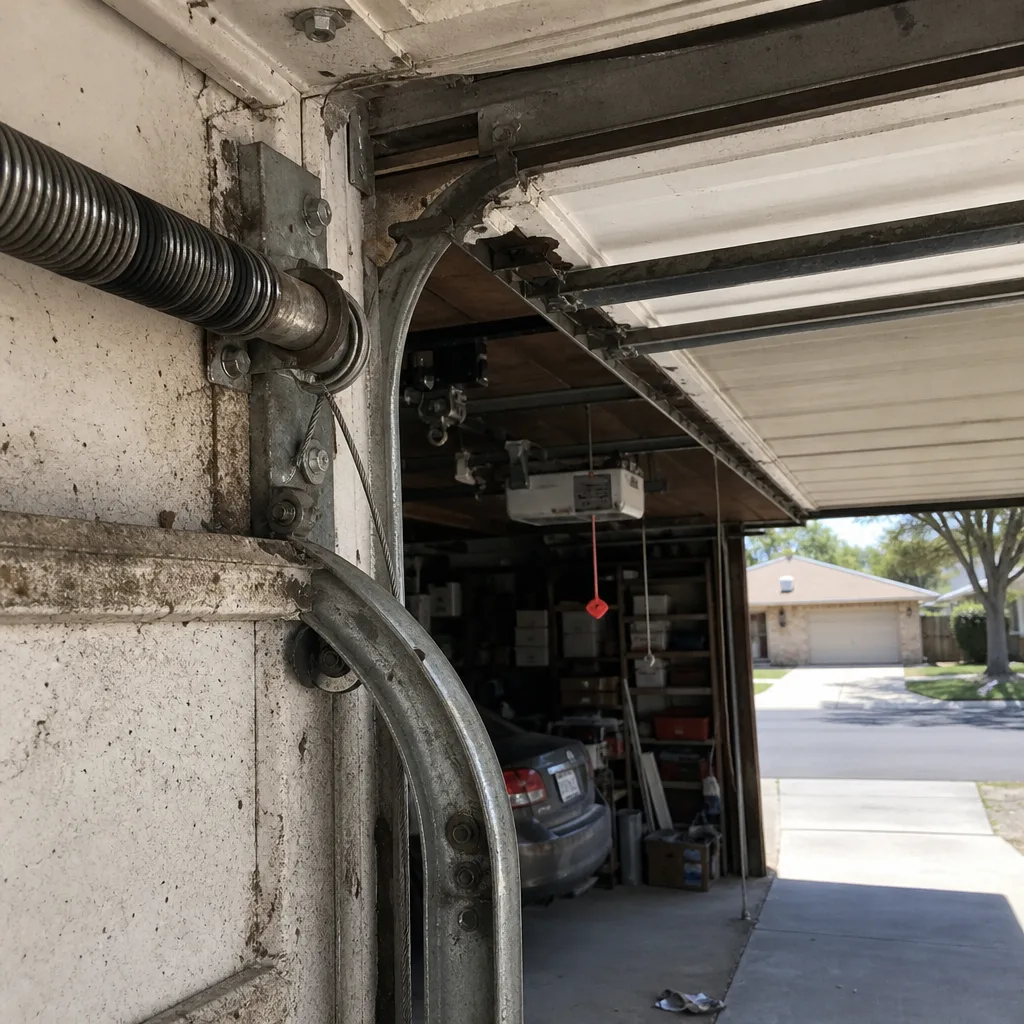 Before
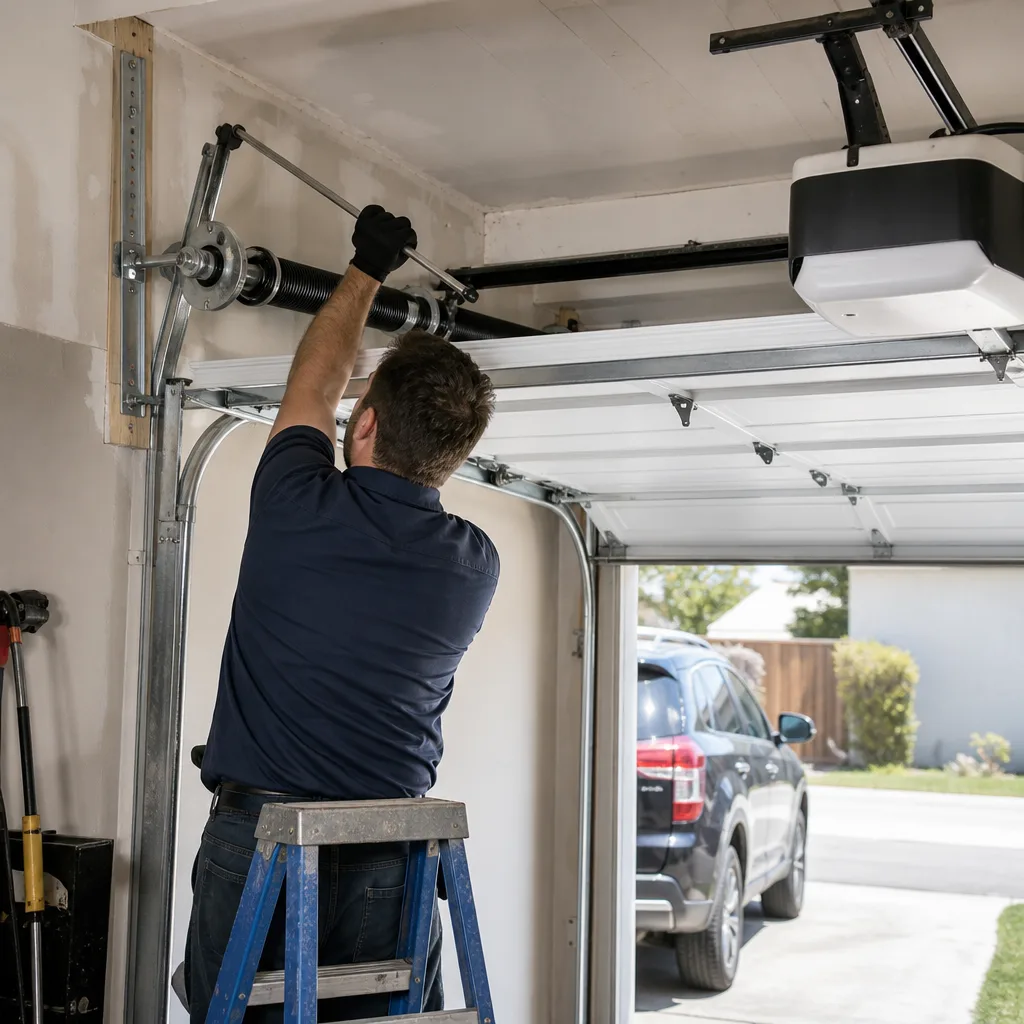 After
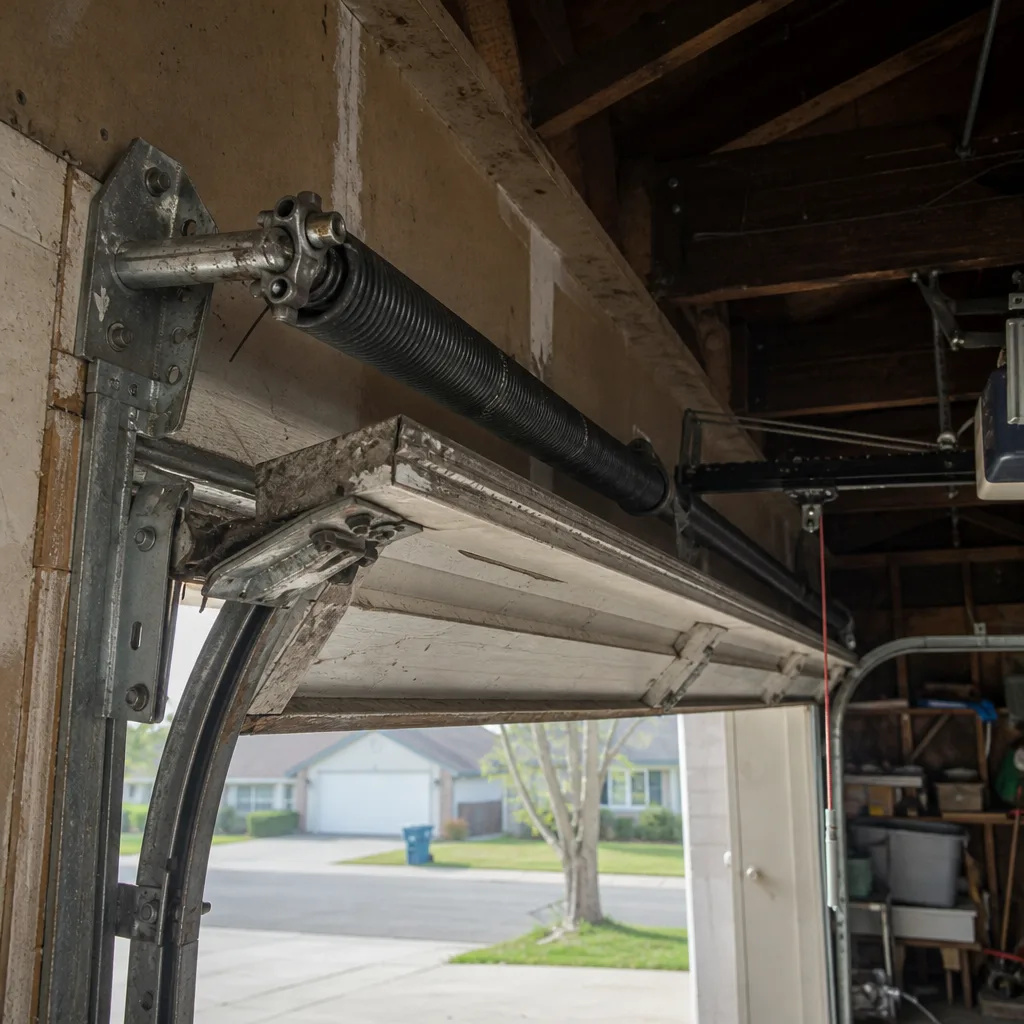 Before
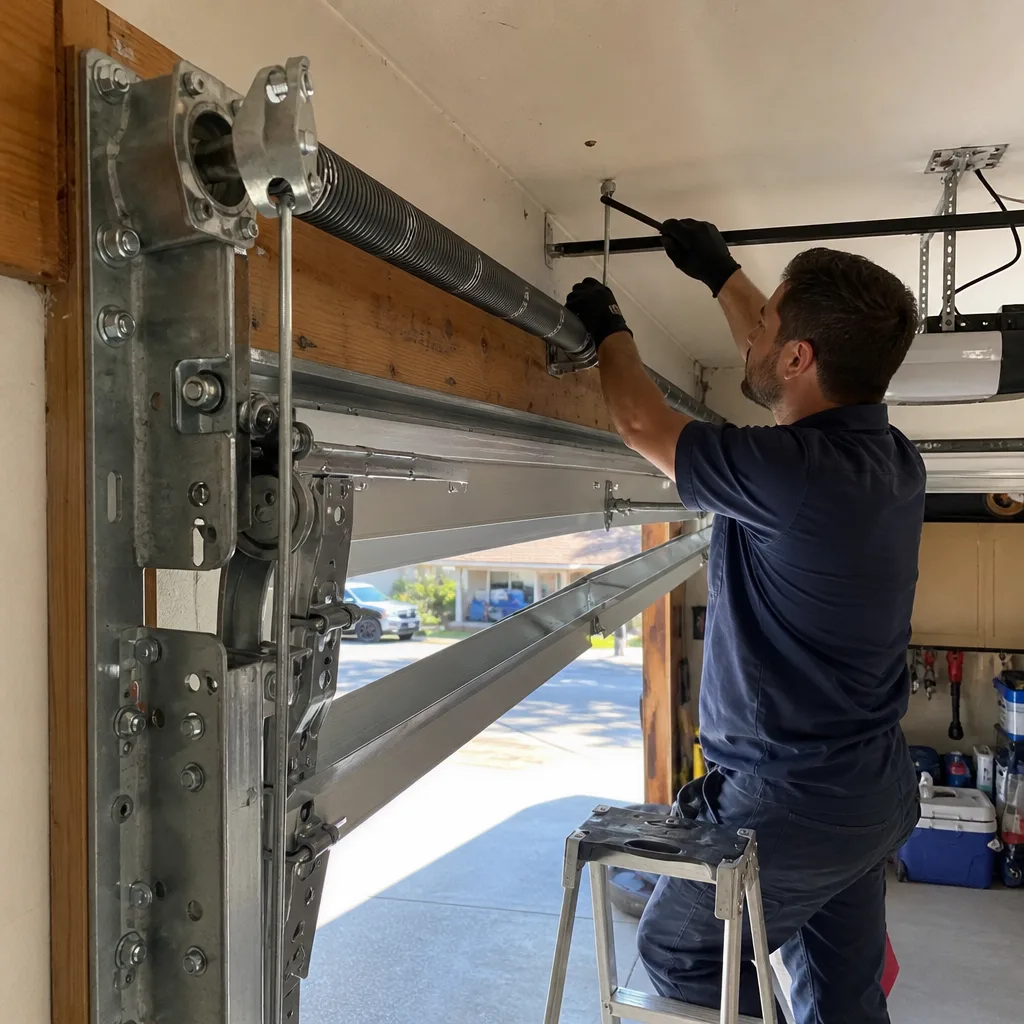 After
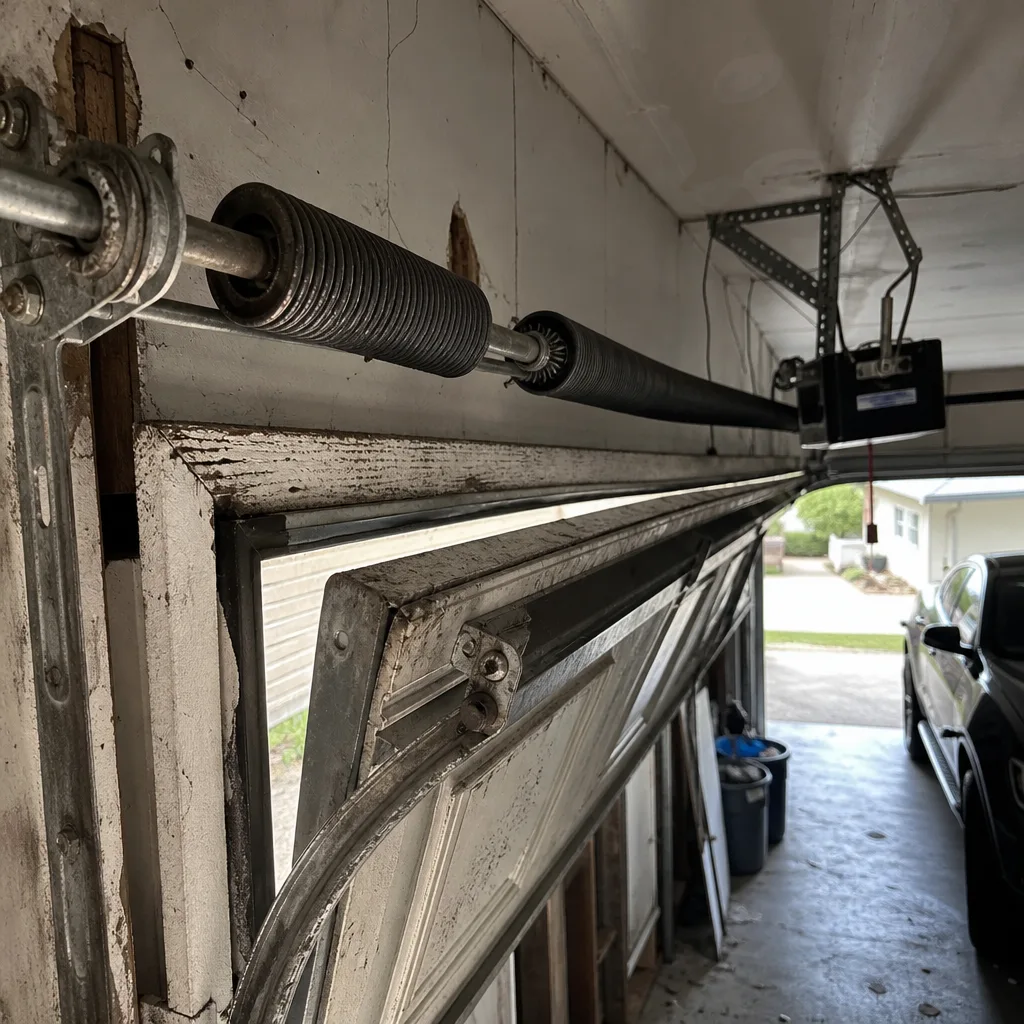 Before
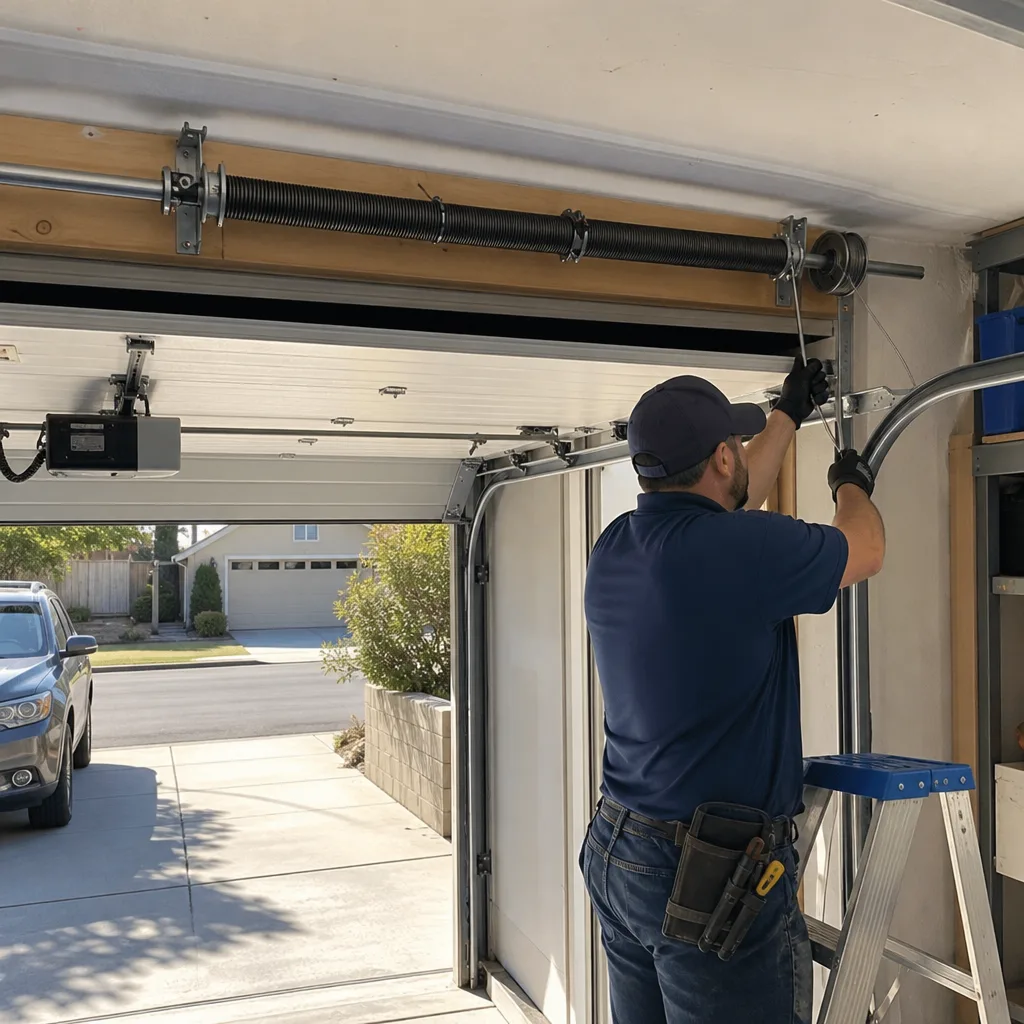 After