
Last updated November 2, 2026
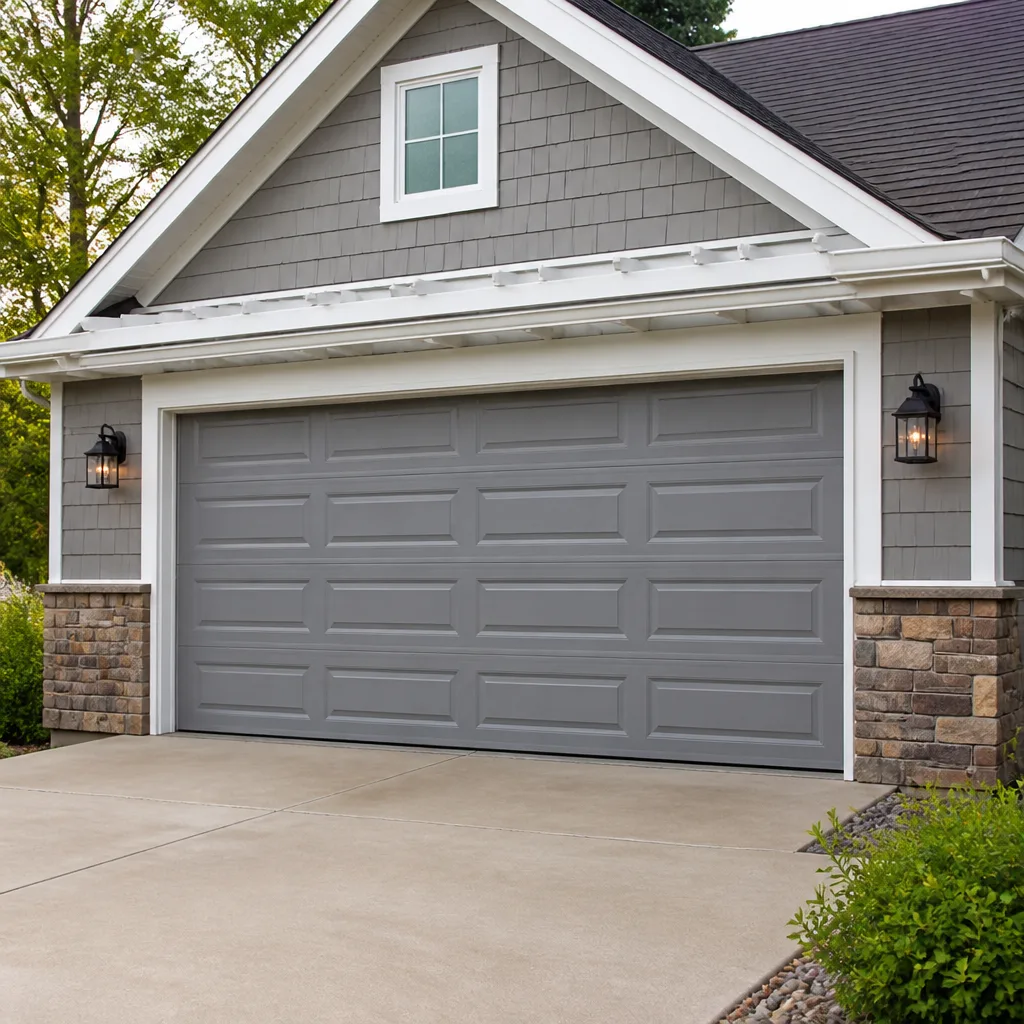 Raised-panel steel
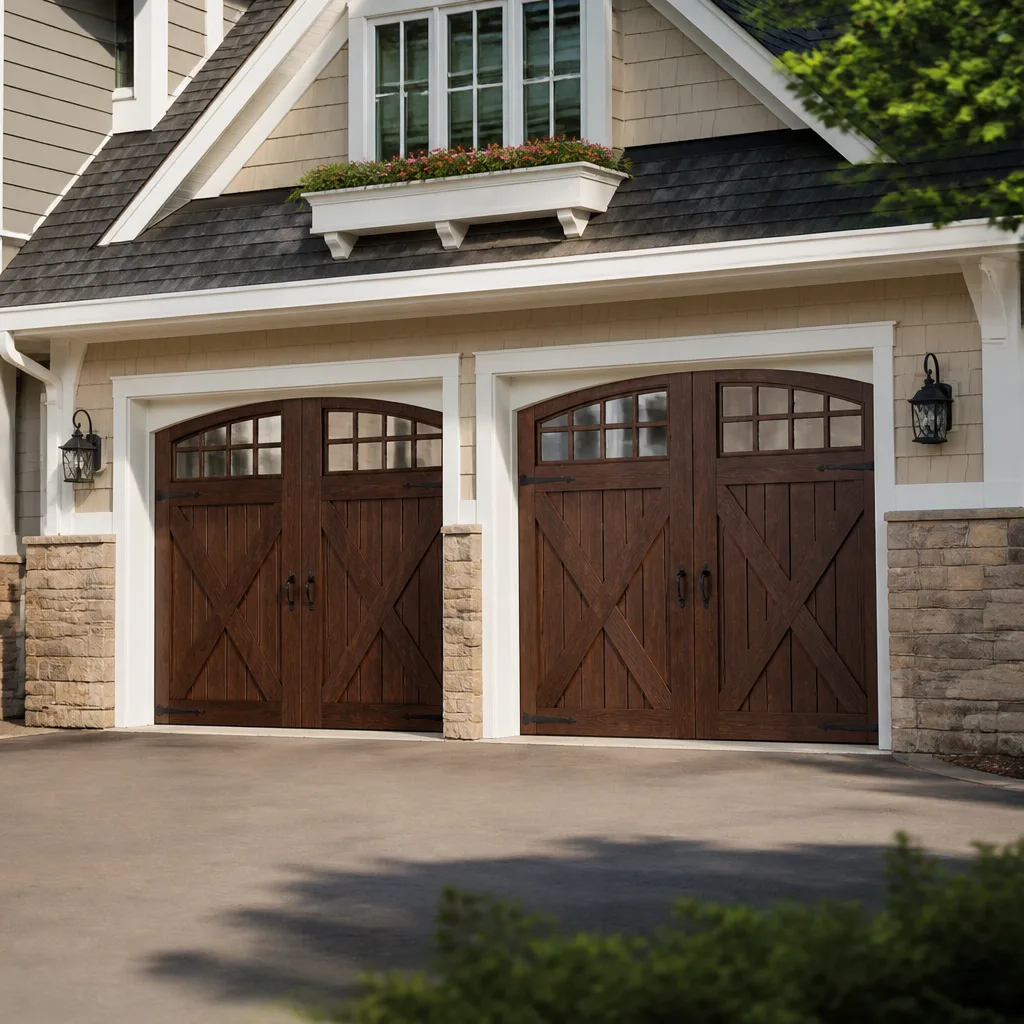 Carriage house
 Modern flush
 Full-view glass
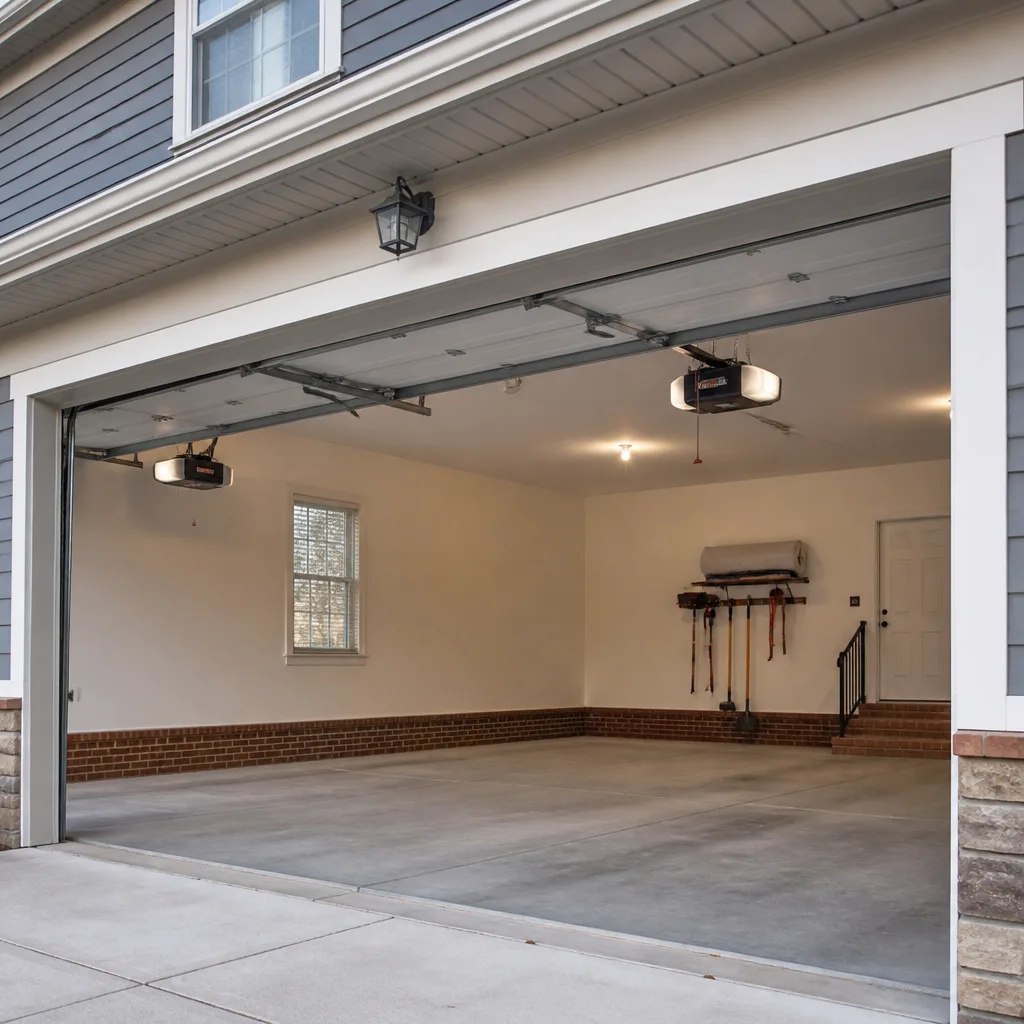 LiftMaster openers
 Chamberlain openers
Full 25-point door and opener safety check with every visit - springs, cables, rollers, tracks, and your LiftMaster or Chamberlain opener included
You get a price before we start. It does not change when the truck arrives.
Get your free estimateGarage Door Emergency Preparedness Guide for Midway Homes
Most homeowners in Midway don’t think about their garage door until it refuses to move. That moment usually arrives on a Monday morning with a car trapped inside, or during a winter storm when the power cuts and the door becomes a wall between you and your vehicle. Here’s the counterintuitive part: the emergency release cord hanging from your opener doesn’t fix anything. It disconnects the door from the motor, but if a spring is broken, the door becomes a deadweight two-hundred-pound slab that no cord will move. This guide walks you through the two emergency categories Midway residents actually face, the pre-planned response each one requires, and the safety procedures that keep a bad situation from becoming dangerous. For more context, see our Garage Door Repair Troubleshooting: Common Problems and How to Fix Them.
Styles & brands we work with
- Raised-panel steel
- Carriage house
- Modern flush
- Full-view glass
- LiftMaster openers
- Chamberlain openers
Quick Answer
A garage door emergency in Midway comes down to two scenarios: a mechanical failure (broken spring or cable) that traps your car in the garage, or a power outage that leaves you locked out. The emergency release cord only helps in the second scenario, and only if your springs are intact. The safest immediate action for any situation involving broken springs, snapped cables, or a door that won’t stay up is to secure the door, stop using the opener, and call a garage door specialist at (833) 589-9949 for a same-day assessment.
Table of Contents
- What Actually Happens During a Power Outage
- How to Use the Emergency Release Cord Without Damaging Your Door
- What to Do When a Spring Breaks and the Door Won’t Move
- Securing a Door That Won’t Close After a Spring Failure
- When a Vehicle Is Pinned Under a Partially Descended Door
- Building a 72-Hour Garage Door Emergency Kit
- Pre-Emergency Actions for Midway Homeowners
- Common Mistakes to Avoid
- When to Call a Professional
- Frequently Asked Questions
- The Bottom Line
What Actually Happens During a Power Outage
When the electricity cuts out in Midway, your garage door opener goes dead. The door stays wherever it was when the power dropped. If it was closed, you’re locked out of the garage. If it was open, you’re looking at an unsecured opening. Neither situation fixes itself when the power returns, and in neighborhoods like Midway Estates and the older subdivisions along the Midway corridor, outages from storms or grid strain can last anywhere from a few hours to a couple of days.
The component that matters here is the emergency release mechanism. Every residential opener installed in the last three decades, including LiftMaster and Chamberlain models, has a red cord hanging from the carriage. Pulling it disengages the trolley from the drive chain or belt, which allows the door to be moved by hand. But there’s a critical condition: the door’s springs must be doing their job. Torsion springs on the header or extension springs along the horizontal tracks counterbalance the door’s weight. If a spring is broken, or if a cable has snapped, the door’s full weight now depends on whatever is left, and manual operation becomes a struggle that you should not attempt alone.
This is the single most misunderstood part of garage door emergencies. We hear it constantly from Midway homeowners who pulled the red cord, heard the carriage release, and then couldn’t lift the door more than a few inches. They assume the release “didn’t work.” It worked. What failed was the spring system. The release cord only disconnects the opener; it has no effect on the mechanical condition of the door itself.
Backup Batteries Change the Equation
Many openers sold since 2015 ship with or accept a backup battery. LiftMaster and Chamberlain MyQ units commonly include a 12-volt battery pack that provides enough power for roughly twenty open-and-close cycles during an outage. If your opener has this feature, a power outage is an inconvenience, not an emergency. You simply operate the door normally using the wall console or remote, and the battery handles the load. The catch: that battery degrades over two to three years of service in a typical Midway garage, where summer heat accelerates chemical aging. An untested battery that hasn’t been replaced since 2022 or earlier may deliver two cycles instead of twenty, and you won’t know until the power’s already out.
How to Tell the Difference on the Spot
- Power outage, healthy door: The red cord release lets you open and close the door manually with moderate effort. The door feels heavy but manageable because the springs are counterbalancing most of the weight. You’ll need about thirty to forty pounds of lift force, not three hundred.
- Power outage, broken spring: You pull the cord, try to lift the door, and it barely moves. You feel full deadweight. Stop immediately. Continuing to pull risks cable derailment and further damage. This is now a spring repair job, not an access problem.
- Mechanical failure with power: The opener runs but the door shudders, binds, or refuses to move. The motor strains. This indicates a cable, roller, or spring issue, and the fastest response is to stop using the opener and call for Garage Door Repair in Midway.
How to Use the Emergency Release Cord Without Damaging Your Door
The manuals that come with openers describe the release procedure in one sentence: “Pull down on the emergency release handle.” That instruction is incomplete. The specific angle and follow-through motion matter, because pulling incorrectly can cause the release mechanism to jam or the cables to pop off the drums.
Here’s the procedure we recommend to Midway homeowners, refined from years of watching what goes wrong:
- Make sure the door is fully closed. If the door is open when you pull the release, the carriage disconnects and the door may slam shut under its own weight. This is the most common cause of damaged panels and bent tracks during power outages. If the door is already open and you need to close it, pull the release only after you’ve braced the door with a helper or positioned a stepladder under the bottom section.
- Pull the red cord straight down, not toward you and not at an angle. The release lever pivots on a hinge inside the carriage. Pulling at an angle puts sideways stress on the mechanism and can bend the release arm. A straight vertical pull of about a foot is all it takes.
- Follow through with a second firm pull in the same vertical line. Many Midway homeowners pull once, feel a slight click, and then try to lift the door while the carriage is only half-disengaged. That drags the traveler against the rail and can shear the release pin. One steady pull, then a second short confirmation pull, and you’ll hear the carriage separate from the belt or chain.
- Lift the door using the bottom handle or the lift points, never the top section or the side rails. Lift with your legs, straight up. A properly balanced door should rise smoothly and stay open on its own at waist height. A door that wants to fall back down has a spring problem; stop and reassess.
- Re-engage the carriage when power returns. Pull the release cord again toward the door, then press the opener’s wall button or remote. The carriage should seat itself back into the drive assembly with a firm clunk. If it doesn’t, you’ll hear the opener run without moving the door. Don’t force it; a misaligned traveler often needs a technician’s touch.
For Genie openers, which use a slightly different carriage design, the same vertical-pull principle applies, but the re-engagement step sometimes requires pushing the release lever back toward the motor before hitting the button. If you own a Genie and the carriage won’t re-seat, a quick check of the lever’s position usually resolves it. If it doesn’t, don’t bend anything. Call us. This is the kind of brand-specific quirk that costs a specialist five minutes and a generalist an hour.
What to Do When a Spring Breaks and the Door Won’t Move
In our experience serving Midway, torsion spring failure is the single most common reason a garage door becomes a genuine emergency. These springs are rated for a finite number of cycles, typically 10,000, and in a door that opens four or five times a day, that lifespan translates to seven to ten years. When a spring snaps, it sounds like a gunshot, often followed by a loud bang as the door slams down if it was partially open.
Here’s what the break actually means. The average two-car garage door weighs between 250 and 350 pounds, depending on material. A single torsion spring on a Clopay or Amarr steel door counterbalances roughly half that weight. When one spring fails, the remaining spring and the opener motor are suddenly handling a load they weren’t designed to support. The door may still open with the motor, but every cycle stresses the remaining hardware: the other spring, the cables, the drums, and the opener’s gearbox. A door with one broken spring is a time bomb for the second spring to fail, and when that happens, the door often falls rapidly with no braking force at all.
The immediate response after a spring breaks:
- Stop using the opener. Unplug it or press the wall console’s lock button, which on LiftMaster and Chamberlain MyQ units disables remote operation. This prevents anyone from accidentally engaging the motor and snapping a cable under load.
- Leave the door where it is. If it’s closed, fine. If it’s open, do not attempt to close it manually. A door with a broken spring is disproportionately heavy, and if you lose your grip, two hundred pounds of steel comes down hard enough to break feet and crush fingers against the threshold.
- Check the other spring. Visually inspect the torsion tube above the header. If you see a gap in one spring’s coils, that’s your failure point. If both springs look intact but the door still won’t move, the problem may be a snapped cable or a stripped gear in the opener, which requires a different diagnostic path.
- Call a specialist. Spring replacement is not a DIY job. Torsion springs store enormous potential energy, and winding or unwinding them without the correct bars and procedure can maim. Wexford Garage Door Repair technicians carry springs for all major brands, including Clopay and Wayne Dalton, and replace them in a single visit. Call (833) 589-9949 for a free estimate.
Spring Failure and the Emergency Cord: The Trap Nobody Warns You About
During a power outage, people instinctively pull the emergency release. During a spring failure, people instinctively pull it too. If both happen simultaneously, as they did in at least three Midway service calls we’ve handled in the past year, the homeowner pulls the cord, hears the release click, and then discovers the door still won’t budge. At that point they’ve disconnected the carriage, the door is off the drive assembly, and the springs are dead. Re-engaging the carriage without first repairing the spring means the opener will try to lift a completely unbalanced door the next time someone presses the button, which typically pops the cable or strips the gear immediately. If you suspect a broken spring, do not pull the release cord. Leave the system connected, unplug the opener, and call for service.
Securing a Door That Won’t Close After a Spring Failure
A broken spring usually leaves the door open, and an open garage door at night is an invitation to anyone passing through a Midway neighborhood. Before a tech arrives, you need a way to keep the door at least partially closed without relying on the spring system. The method below uses a C-clamp and requires zero contact with the springs, cables, or pulleys. It’s the same procedure we walk through with customers who need to leave for work while we’re en route.
What You Need
- One C-clamp or vise-grip clamp with a jaw opening of at least 2 inches. A 4-inch clamp is ideal for residential tracks.
- A sturdy stepladder, because the clamp must attach at least four feet off the ground.
- A helper if the door is heavier than you can hold with one hand.
Step-by-Step Clamp Procedure
- Remove any vehicles from the garage if the opening is wide enough. The car comes first. If the door is stuck at a height that won’t allow the vehicle out, don’t force it. The vehicle becomes a secondary concern to preventing the door from falling.
- Position the stepladder to the side of one vertical track, not directly under the door. You’ll attach the clamp to the track itself, just below one of the bottom rollers. This is a stress point we’ve verified across Clopay, Amarr, and Wayne Dalton track systems, all of which use a standard vertical track profile.
- Tighten the C-clamp onto the track with the screw side facing outward. The clamp’s jaws grip the track face and the rear flange. Tighten until snug against the metal, then give it an additional quarter-turn past snug. The goal is to create a physical stop that prevents the bottom roller from traveling upward, which effectively locks the door in place.
- Test the hold. Push the door upward with both hands. It should not move more than half an inch. If it moves, re-tighten or add a second clamp on the opposite track. Never rely on a single clamp if you have any doubt about the hold.
- Disconnect the opener. Now that the door is physically secured, unplug the opener. This prevents any accidental motor engagement while the door is clamped. If someone presses the remote, a connected opener will strain against the clamp and can burn out the motor or bend the track.
This clamp method buys you hours, not days. It’s a stopgap for the window between spring failure and repair. A door that won’t close means the garage interior, any stored valuables, and potentially an interior door that connects the garage to the house are exposed. For Midway homeowners with attached garages, that interior door is often the weak point of home security, and an unsecured garage door makes it the primary target.
When a Vehicle Is Pinned Under a Partially Descended Door
This is the rarest emergency scenario, but it’s also the most dangerous, and it’s the one that forces a split-second decision. A door that descends onto a vehicle’s hood, tailgate, or roof while the vehicle is partly through the opening creates a compression hazard, and the instinctive reaction is to hit the button and force the door back up. That’s often the right move, but only if you understand what the door’s safety reversal system is doing.
Federal law has required photoelectric safety sensors on all residential openers since 1993, as covered in our Garage Door Permits, Codes & Inspections in CA: What You Need to Know. That’s not a point of nuance; it’s a hard regulatory line that applies to every LiftMaster, Chamberlain, Genie, and Craftsman unit installed since then. The sensors sit on either side of the bottom tracks, and when the beam is broken, the opener reverses direction. If those sensors are aligned and functional, a door descending onto your car should reverse within two seconds of breaking the beam. If it doesn’t reverse, the sensors are either misaligned, obstructed, or faulty, and an override situation may also be in play.
The Force Reversal Procedure
Every opener also has a mechanical force-reversal mechanism that detects resistance. If the door hits an object and the sensors have failed, the motor draws more current and triggers reversal. But this mechanism is calibrated, and if a previous homeowner or handyman set the force dials too high, the door may keep pressing. Here’s what to do:
- Press and hold the wall console button, not the remote. The wall button is hardwired and generally responds faster. Holding it continuously forces the opener to reverse direction. Do not release until the door begins moving upward.
- If the door keeps pressing, pull the emergency release cord immediately. A firm vertical pull disengages the carriage from the drive. The door will stop descending under power. It may still drift under its own weight, so have the driver remain in the vehicle with doors closed until the situation stabilizes. Get under the door only if you are absolutely certain it’s fully disengaged and supported.
- Call 911 if the vehicle occupant cannot exit through another door and the door is actively compressing the vehicle. Fire rescue teams carry hydraulic spreaders designed for exactly this scenario. Do not attempt to jack the door up with a car jack or improvise a pry bar. The door’s torsion spring, if loaded, can release catastrophic energy if the door support fails suddenly.
- Once the situation is stabilized, do not use the opener again until the door and the safety system have been professionally inspected. A door that failed to reverse on an obstruction has a sensor problem, a force-setting problem, or both. Continuing to operate it with the same settings guarantees a repeat event. Schedule an opener diagnostic with Garage Door Opener Repair in Midway before using the system again.
We also recommend testing your safety reversal at least once a month as part of routine maintenance, which you can track with our Garage Door Repair Maintenance Checklist for Midway Homeowners. Place a roll of paper towels flat under the door’s path, close the door, and check that it reverses before touching the roll. This simple test takes thirty seconds and catches the most dangerous type of failure: a photoelectric sensor that was knocked out of alignment without anyone noticing.
Building a 72-Hour Garage Door Emergency Kit
Midway’s climate is mild enough that we don’t face the same freeze-related garage door failures as mountain communities, but that doesn’t make a 72-hour self-sufficiency window less relevant. A power outage of a day or more is uncommon but not unheard of, particularly in older neighborhoods with aging electrical infrastructure. And a mechanical failure on a Friday evening can leave a door inoperable through the weekend if you don’t have a specialist’s number saved.
The kit below takes up less space than a shoebox and lives on a shelf in the garage. Every item addresses a specific failure mode.
- Backup battery for your opener. If your LiftMaster or Chamberlain opener has a battery slot, buy the correct replacement pack and keep it charged. For openers without battery support, a compact 12-volt jump-starter with an AC outlet can power a wall-plug opener for short bursts, though this is a temporary workaround and not a sustained solution.
- Two spare remote batteries. Most remotes use CR2032 or A23 batteries. Check your remote’s battery type now and buy two. When a remote dies, people assume the opener is broken and panic the situation into an emergency. A twenty-second battery swap solves it.
- A printed manual release procedure, laminated and taped inside the door. In an emergency, you will not remember the exact sequence from this guide. You’ll remember that the cord exists. The printed sheet gives you the steps, the angle, and the warning not to pull if a spring is visibly broken. We laminate these for customers because they get touched with greasy hands in the dark.
- A C-clamp rated for your track width. Most residential tracks are 2 inches wide, so a 4-inch clamp covers you. This is the clamp you’ll use to secure a door that won’t close, as described in the section above.
- Headlamp or work light with fresh batteries. Garage interiors are dark, and the door is usually part of the reason the room is unlit. A hands-free light lets you inspect the spring, find the clamp, and read the printed instructions without holding a phone in your teeth.
- A printed card with your garage door specialist’s number. Your phone dies, your spouse doesn’t know the number, and the fridge is beeping. That card on the door frame removes a whole category of panic. If you don’t have a specialist yet, write down (833) 589-9949. That number reaches Wexford Garage Door Repair, and we dispatch to all Midway neighborhoods.
One note on the backup battery: Midway summers are hard on lead-acid batteries stored in uninsulated garages, where ambient temperatures climb into the triple digits. If your opener’s battery is more than two years old and you’ve never tested it, test it now. Unplug the opener and try to open the door with the battery alone. If it struggles, replace the battery. The test takes two minutes and tells you exactly what you’ll have available when the grid drops.
Pre-Emergency Actions for Midway Homeowners
Emergencies are expensive because they force decisions under pressure. Homeowners who plan ahead make different choices, and those choices cost less. Here’s the pre-emergency checklist we recommend to every Midway customer, whether they use Wexford Garage Door Repair or another company, and you can find more guides & resources on our blog. The important thing is that the plan exists.
Quarterly Manual Release Test
Every three months, walk to your garage door and pull the emergency release. Lift the door manually. Open and close it twice. Re-engage the carriage. This test accomplishes three things: it confirms the springs are still counterbalancing correctly (a door that feels heavier than it did last quarter is a door developing a spring problem), it confirms the carriage re-engages smoothly (a common failure point on older LiftMaster and Chamberlain units), and it builds muscle memory so that when an actual emergency arrives, your hands know what to do before your brain catches up.
Backup Battery Verification
Set a calendar reminder on your phone for the first day of each season: test the backup battery. Unplug the opener, run the door through a full open and close cycle on battery power alone, then plug it back in. If the opener moves slower on battery power, that’s normal; if it fails to complete a cycle, replace the battery. Budget for battery replacement every two years as a maintenance cost, not a surprise expense.
Save Your Repair Number Before You Need It
The single most common thing we hear during emergency dispatch calls is some variation of “I’ve been meaning to find a garage door company.” The second most common is “I called three places and nobody answered.” Emergency dispatch is a phone game, and the person who already has a number saved wins. Save (833) 589-9949 in your contacts under “Garage Door Emergency.” If you never need it, the contact costs you nothing. If you do need it, it saves you an hour of panicked searching.
Photograph Your Spring System
Take a photo of your torsion spring assembly above the header and a photo of the opener’s model number label. Store both in an album on your phone or printed in the emergency kit. When you call for service, being able to read a model number (for example, a LiftMaster 8500W or a Chamberlain B970) lets the dispatcher confirm the right parts will be on the truck. For a door from Clopay or Amarr, knowing the model and panel style helps a technician quote replacement sections before arriving. This kind of specificity is why we work across eight major brands, including LiftMaster, Chamberlain, Genie, and Clopay; the right part on the first trip changes the entire economics of a repair call.
Common Mistakes to Avoid
- Pulling the emergency release when a spring is broken. The cord disconnects the carriage but doesn’t address the spring. You’ll find yourself with an unengageable door and a disconnected opener, which doubles the complexity of the eventual repair.
- Continuing to use the opener after a spring breaks. The remaining spring handles double its rated load, and the opener’s gearbox strains against an unbalanced door. Three out of four times, this turns a single-spring replacement into a two-spring replacement plus a gear kit. Midway repair calls where a customer “just opened it a few more times” always cost more than the calls where they unplugged the opener immediately.
- Testing the safety reversal with a foot or a hand under the door. We see this more often than we should. The correct test is a roll of paper towels or a two-by-four laid flat. Your ankle is not the right tool for the job. A door with incorrectly calibrated force settings can exert enough downward pressure to break bone before the reversal mechanism kicks in.
- Lifting a door with a broken spring using your back. Deadweight garage doors have injured more Midway homeowners than any other single garage-related accident. If the door doesn’t lift relatively easily with one hand, the springs are not doing their job. Two people struggling to lift a door is a warning sign, not a workaround.
- Treating every opener problem as a power problem. If the opener hums but doesn’t move the door, that’s a stripped gear, not a power issue. If it clicks and nothing happens, check the outlet with a lamp before assuming the opener failed. A three-dollar outlet tester saves you a $150 diagnostic call.
- Leaving the emergency release cord dangling where a child can reach it. The red cord is a temptation. A child who pulls it while the door is open creates exactly the scenario we warned about above: a disengaged carriage and a door that slams shut. Keep the cord clipped above reach height if you have young kids in the house.
- Waiting to replace an aging opener until it fails on the coldest night of the year. Openers don’t choose convenient times to die. A ten-year-old unit has already passed the typical service life of the nylon gears inside. Replacing it on your schedule, with a free estimate from a specialist in hand, beats replacing it as an emergency at 7 PM on a Sunday. For a new unit, we recommend comparing options before you’re forced to act; Garage Door Installation in Midway is available when you’re ready to plan proactively.
When to Call a Professional
Some garage door situations resolve with the procedures in this guide. Many do not. Call a professional immediately if you see a visible gap in a torsion spring, if a cable is hanging loose from the drum, if the door is off its tracks, if the opener makes grinding noises instead of moving the door, or if any mechanism you don’t fully understand is involved. Torsion springs, cables under tension, and opener gearboxes are not things you learn on the fly at 9 PM. The rule we use with our own families: if you have to ask whether it’s safe, it isn’t.
Wexford Garage Door Repair offers free estimates in Midway. Call (833) 589-9949, and a specialist who works exclusively on garage doors will answer or respond quickly. That single-trade focus matters in an emergency: we don’t split our attention across plumbing, HVAC, or general contracting, so when a technician arrives, every part on the truck and every minute of the visit is aimed at one thing.
Frequently Asked Questions
Emergency garage door repair in Midway typically ranges from $150 to $550, depending on the failure. A single torsion spring replacement runs $180 to $360 including parts and labor, a snapped cable replacement runs $120 to $200 per cable, and an opener gear replacement runs $180 to $300. Prices are quoted and agreed before any work begins. Call (833) 589-9949 for a free estimate for your specific situation.
Yes, for spring failures, the urgent door problems, and most opener failures, we dispatch same-day to all Midway neighborhoods. Emergency calls are prioritized by severity: a door that won’t close and leaves your home unsecured, or a vehicle trapped in the garage, gets first priority. Call (833) 589-9949 to speak with a dispatcher.
No. The price quoted over the phone or at the start of the visit is the price you pay. The only exception is if a second issue is discovered during the repair that you choose to address in the same visit, and in that case we quote the additional work separately before doing it. We never add surprise line items at the end of a job.
Yes. Our technicians stock torsion springs in common residential sizes, extension springs, cables, rollers, hinges, and opener gear kits. This is one of the advantages of working with a single-trade specialist: the truck is loaded for garage door work and nothing else. For brand-specific components on LiftMaster, Chamberlain, Genie, and Clopay systems, we confirm the model number during the dispatch call to ensure the right part. Call (833) 589-9949 for exact availability.
A door that opens on its own is usually caused by a stuck remote button, a short in the wall console wiring, or radio-frequency interference from a neighbor’s system. The immediate response is to unplug the opener and lock the door with a manual slide bolt if you have one. Then call for an opener diagnostic. Do not re-energize the opener until the cause is identified, because a self-opening door is a security gap and a safety hazard for anyone in the garage. Garage Door Opener Repair in Midway covers diagnostics on all major opener brands.
Once a year is the right interval for most Midway homes. An annual inspection catches spring fatigue before it becomes a break, identifies worn cables before they snap, and verifies the safety reversal and photo sensors are functioning. Doors that are used more than six cycles per day, such as on homes with multiple drivers, benefit from inspection twice a year. Most inspection visits cost less than the repair they prevent. Call (833) 589-9949 to schedule a free estimate.
The Bottom Line
Garage door emergencies in Midway split into two categories: mechanical failures that trap your car inside, and power outages that block access from outside. The red emergency release cord only helps with power outages, and only when the springs are healthy. For everything else, the plan is the same: stop using the opener, secure the door with a clamp if it won’t close, and call a specialist who carries the right parts. Test your manual release quarterly, replace opener backup batteries every two years, and save (833) 589-9949 in your phone under “Garage Door Emergency.” The homeowners who do those three things don’t have garage door emergencies. They have garage door inconveniences at most.
Written by the team at Wexford Garage Door Repair, serving Midway since 2017.
See the difference
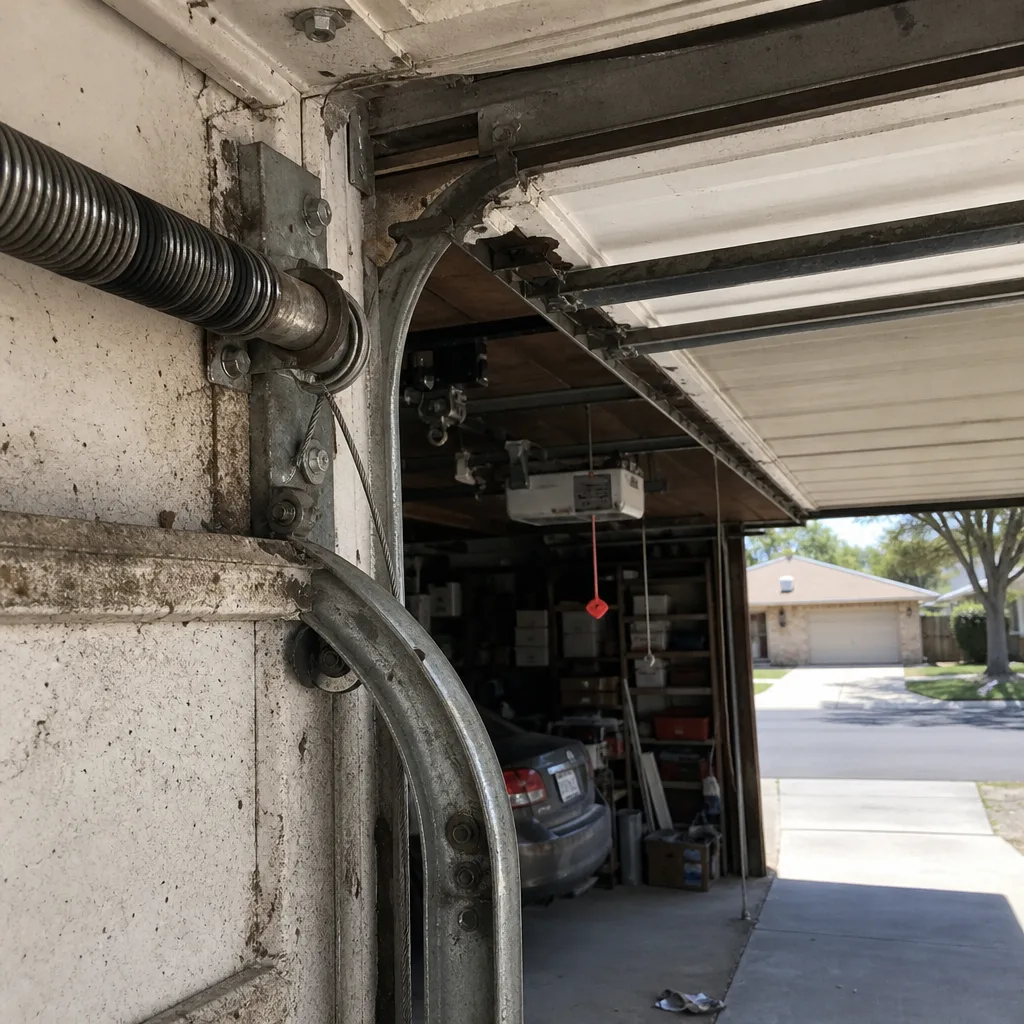 Before
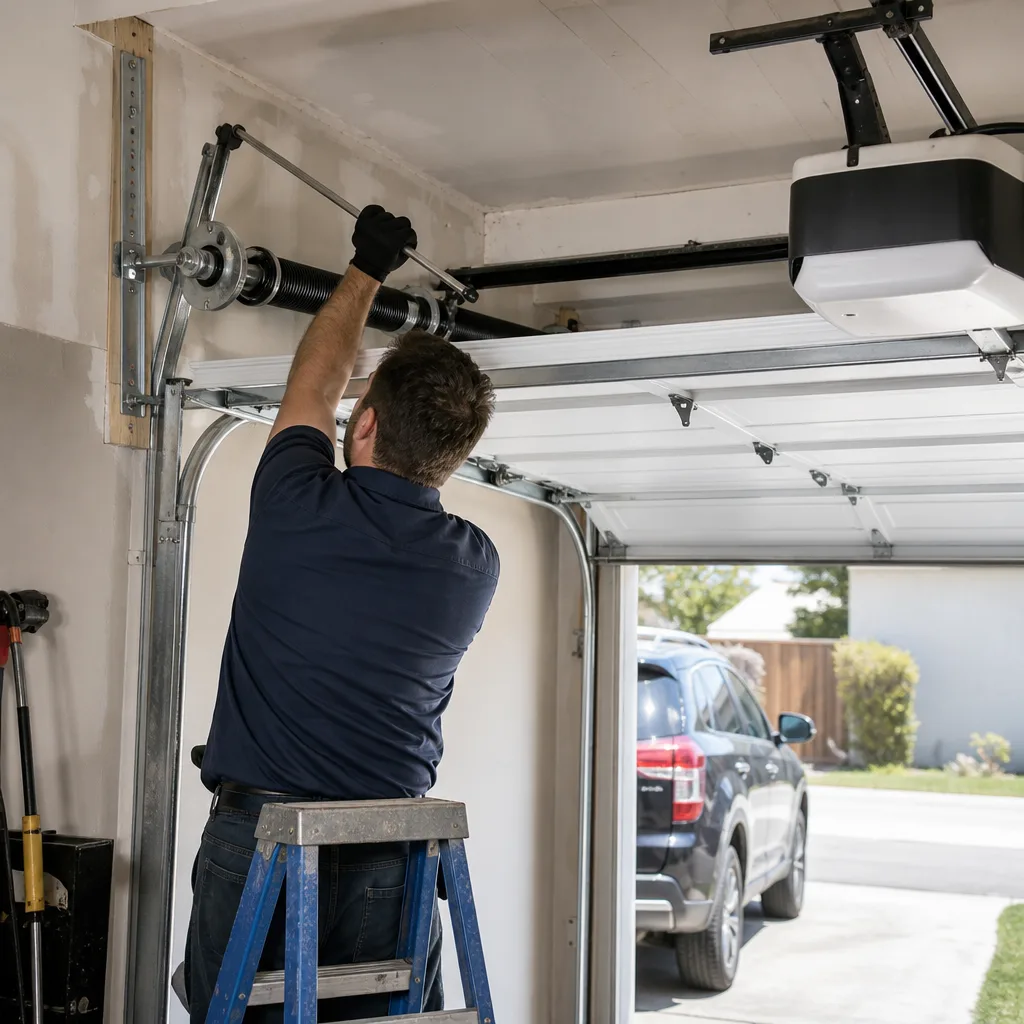 After
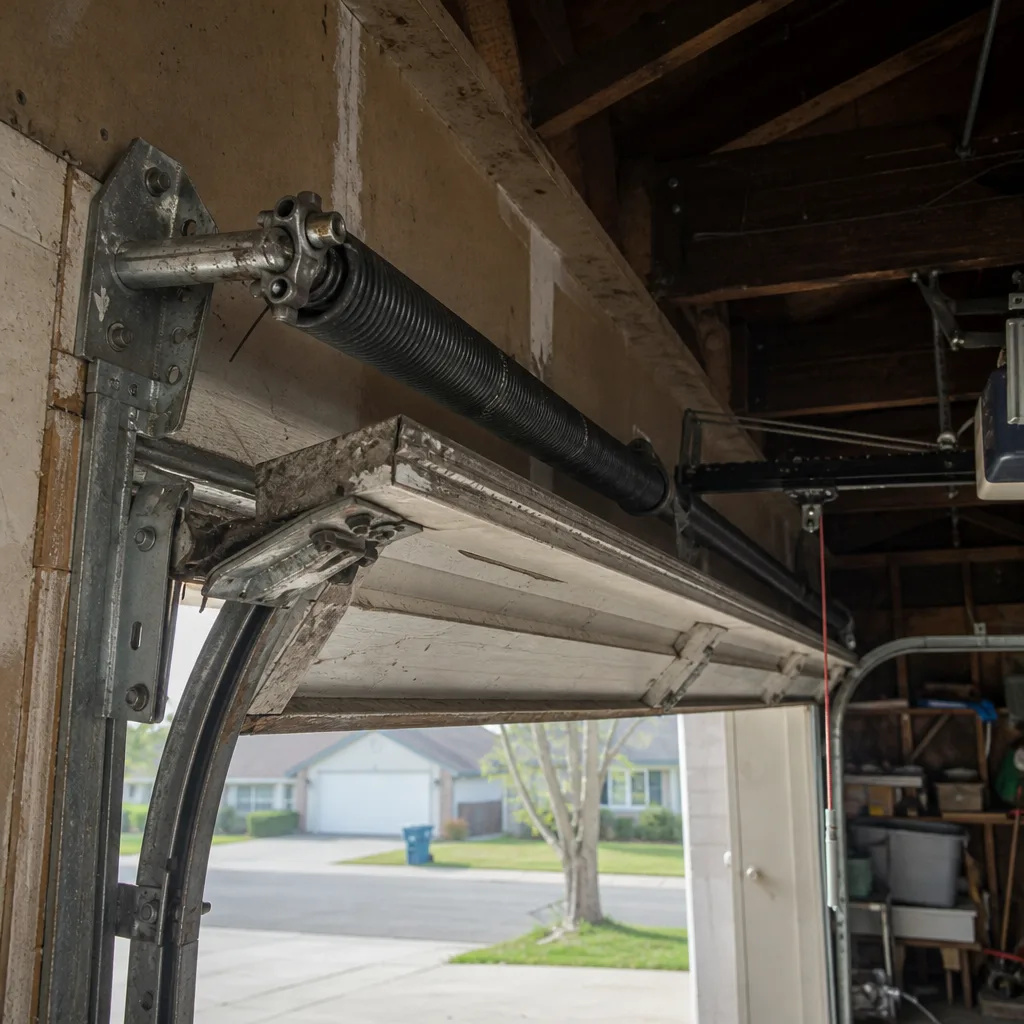 Before
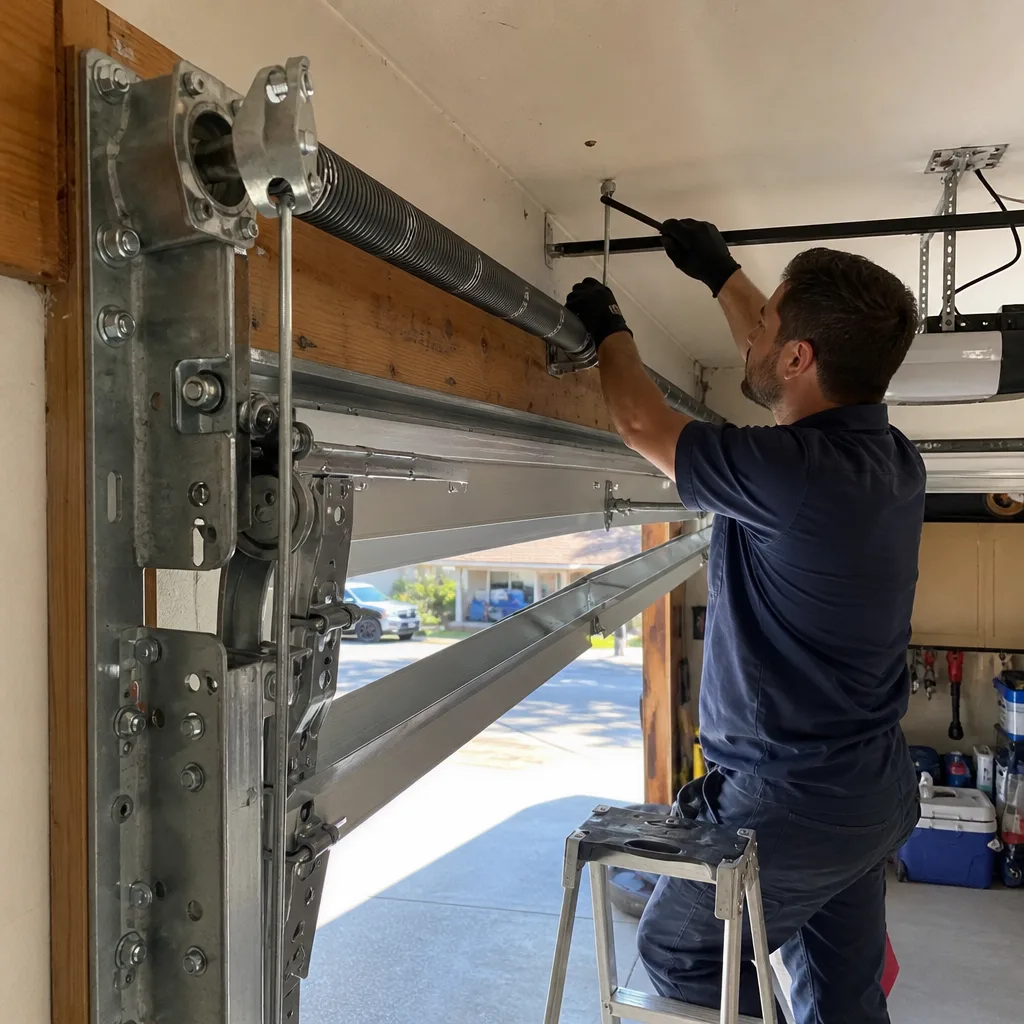 After
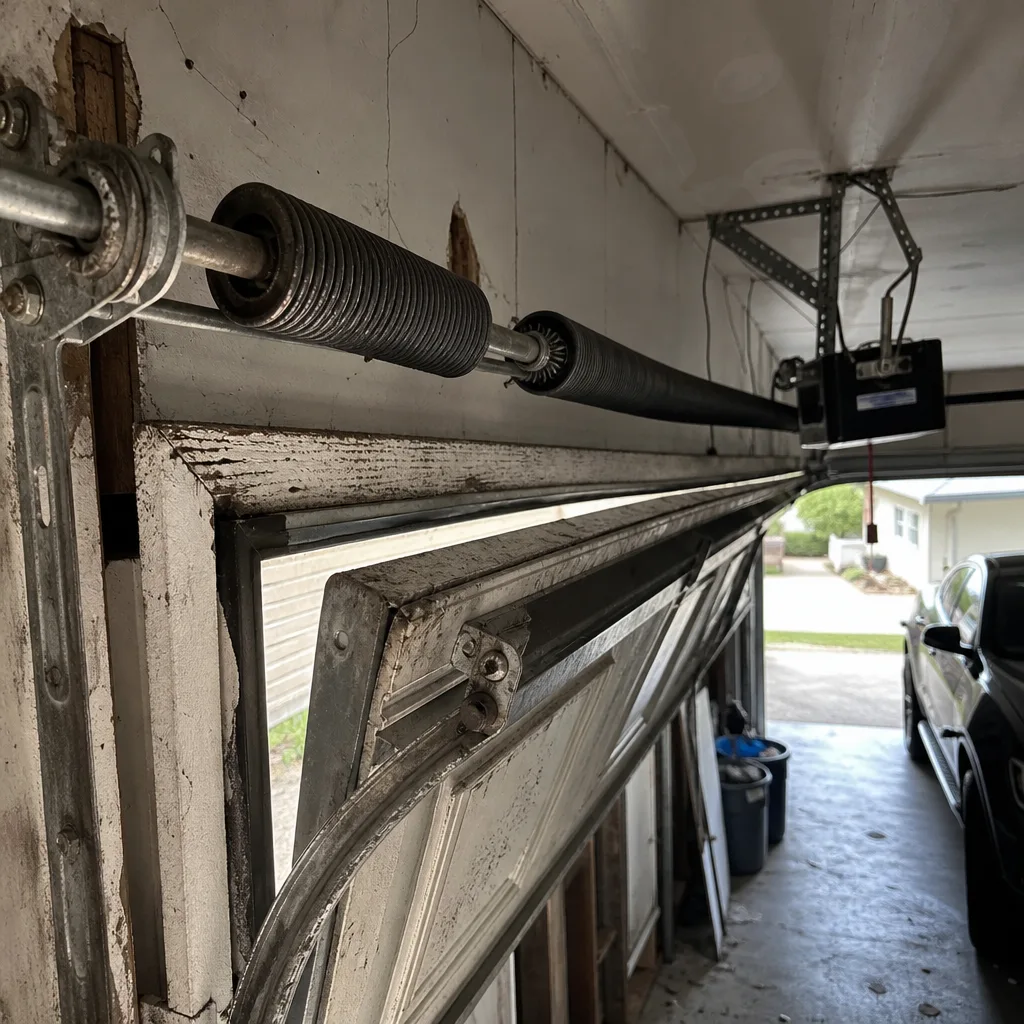 Before
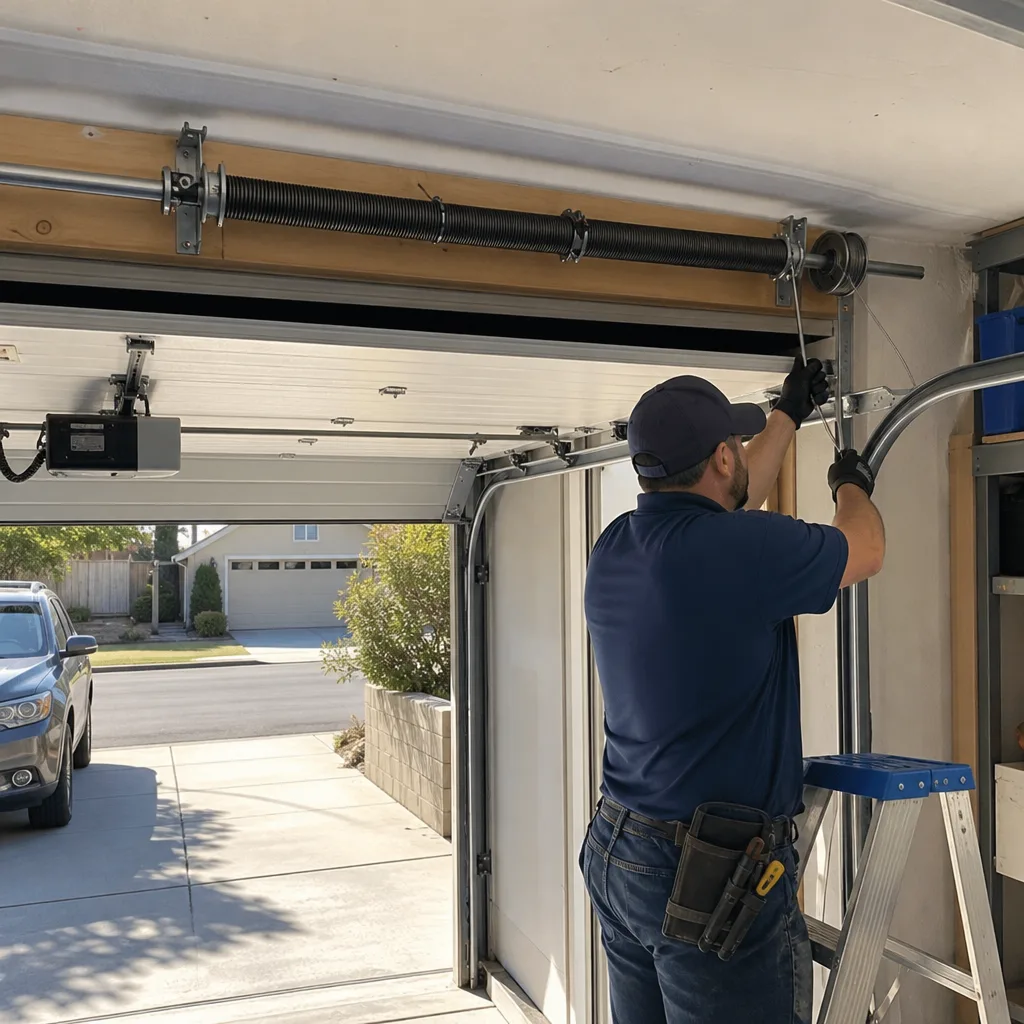 After