
Last updated November 2, 2026
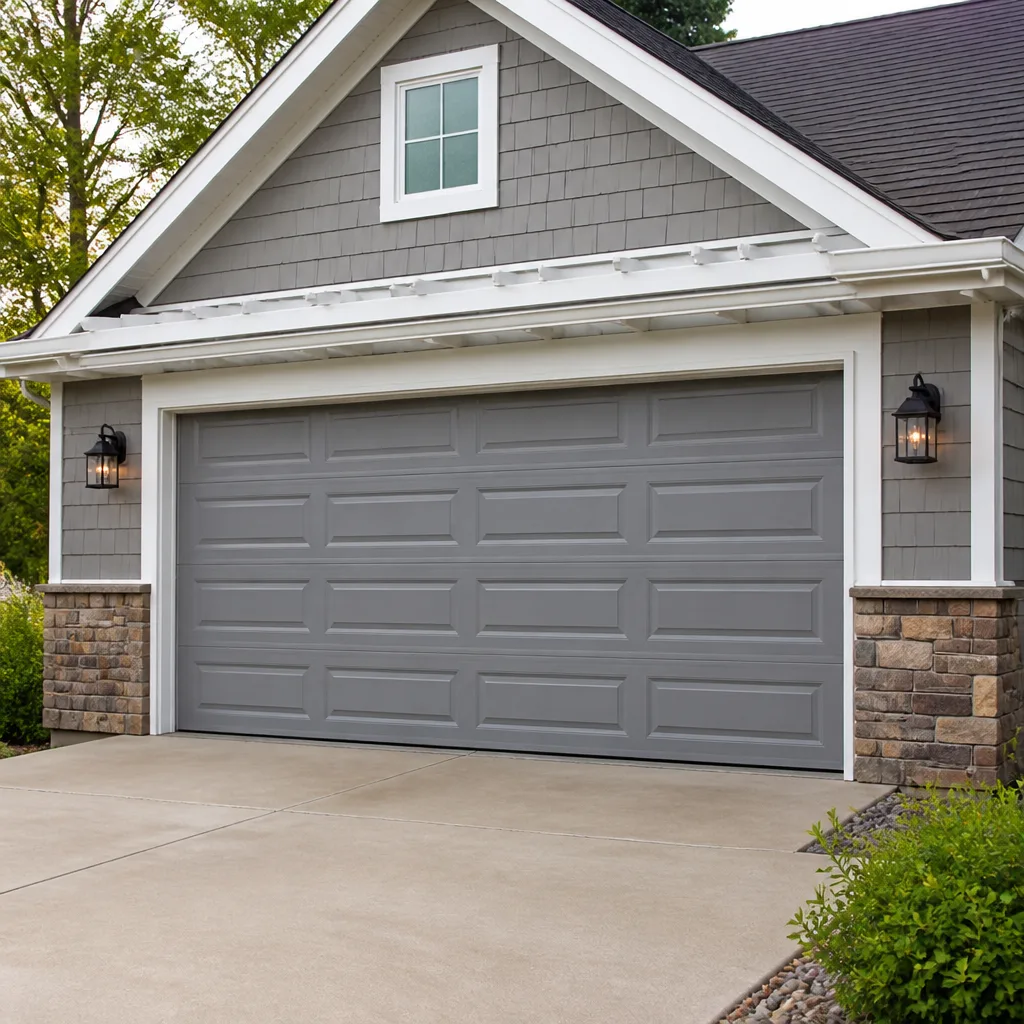 Raised-panel steel
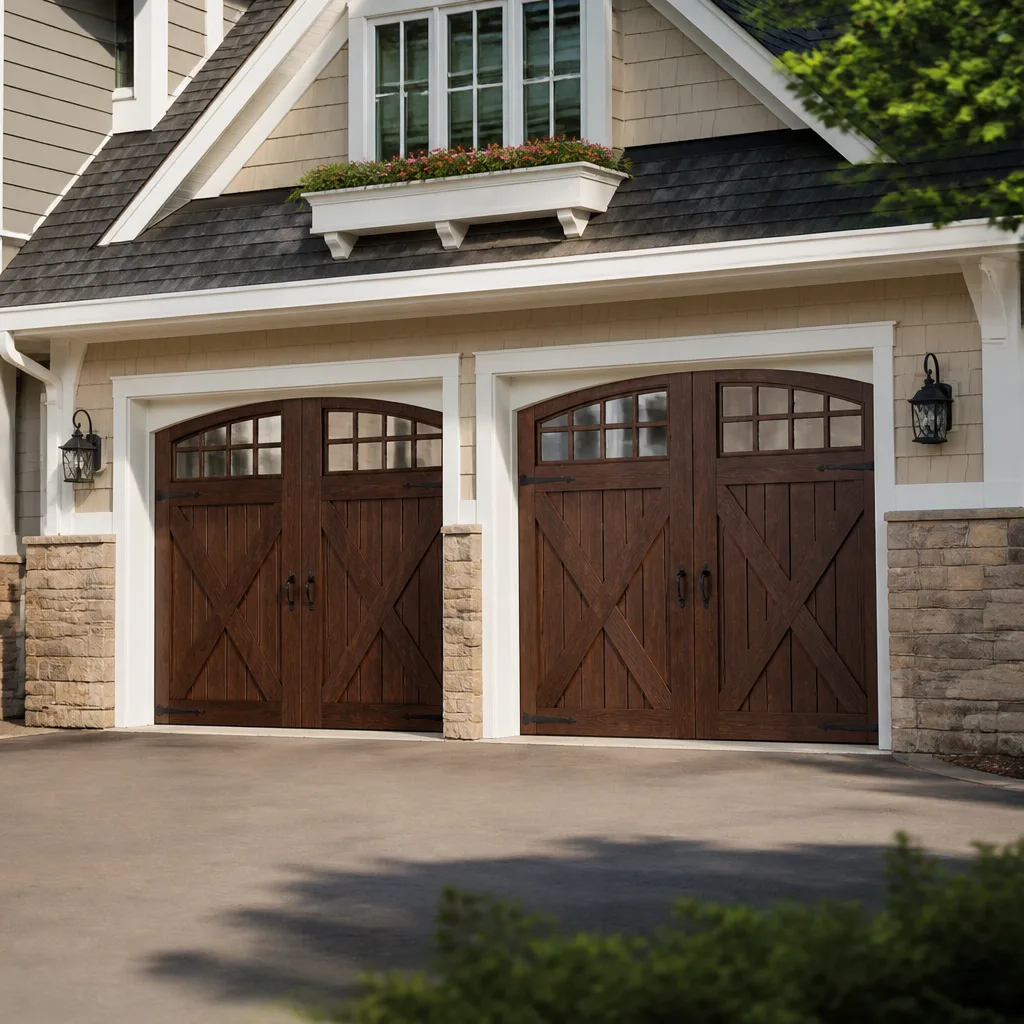 Carriage house
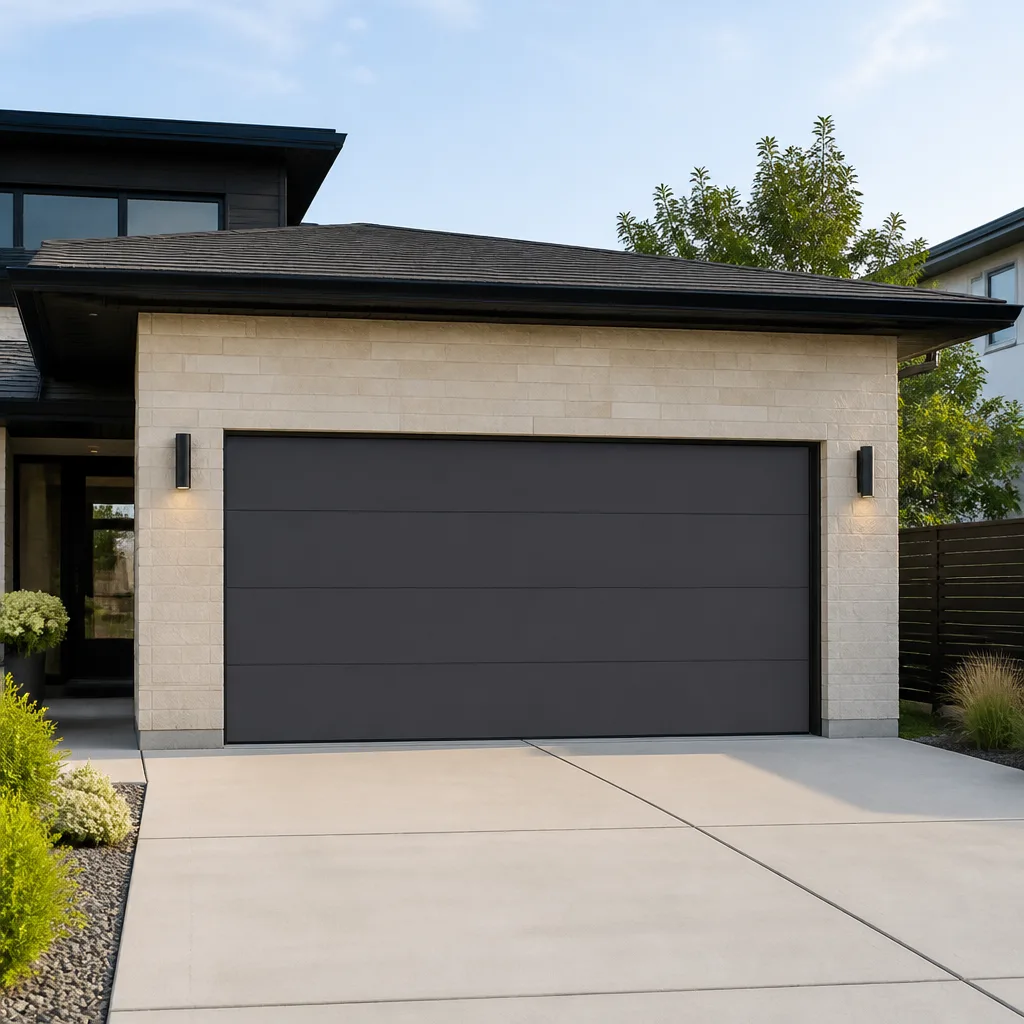 Modern flush
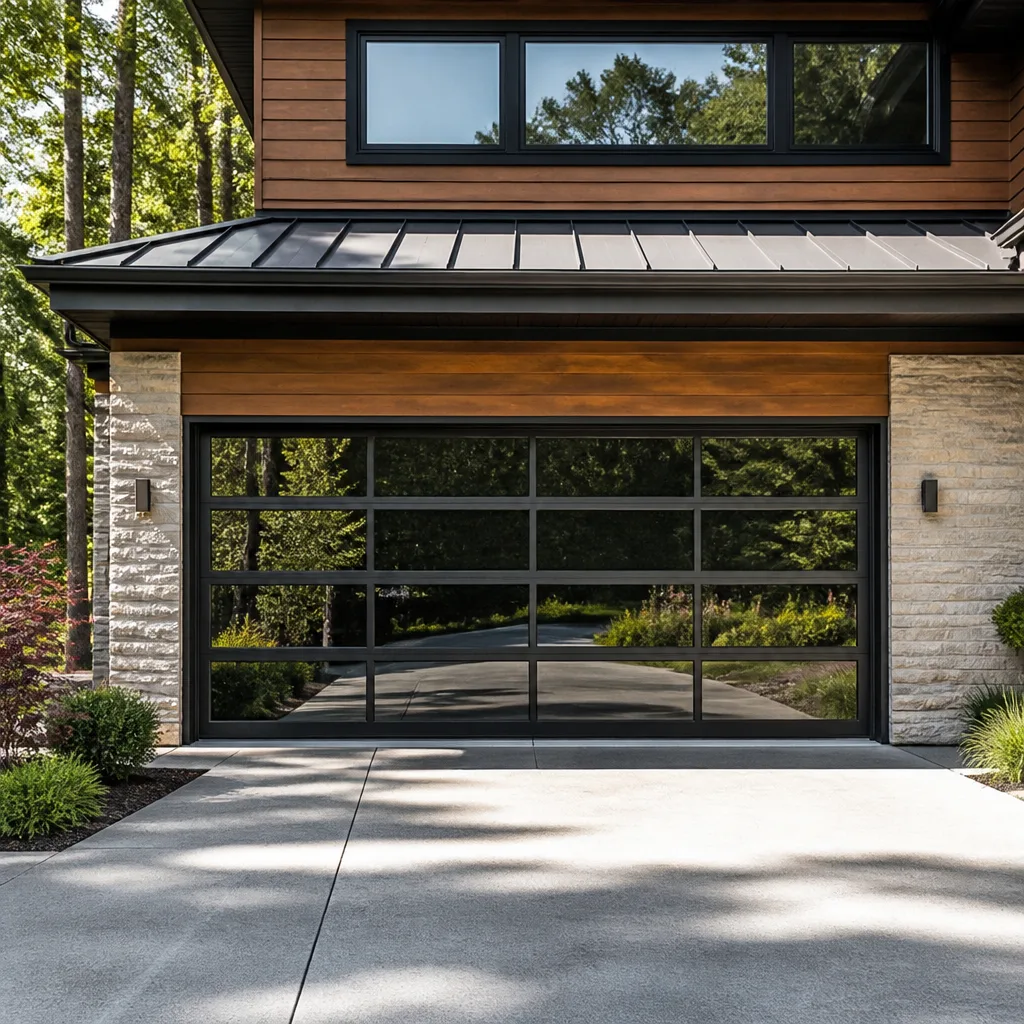 Full-view glass
 LiftMaster openers
 Chamberlain openers
Full 25-point door and opener safety check with every visit - springs, cables, rollers, tracks, and your LiftMaster or Chamberlain opener included
You get a price before we start. It does not change when the truck arrives.
Get your free estimateSeasonal Garage Door Care for Midway: Year-Round Homeowner’s Guide
Midway’s climate doesn’t fit the Midwest freeze-thaw template that most seasonal garage door guides are written for. If you’ve ever followed advice meant for Chicago winters, you’ve probably wasted time checking for things that rarely happen here. This guide is different. It’s built around what actually attacks garage doors in Midway: dry heat, relentless UV exposure, and the occasional wet winter that catches dried-out seals completely off guard. You’ll learn exactly what to inspect each season, which parts fail first in our specific conditions, and what you can safely handle yourself versus what needs a specialist who knows your door’s brand.
Quick Answer
Seasonal garage door care in Midway means shifting your maintenance focus four times a year: UV and heat stress checks in summer, bottom seal replacement before fall rains, opener logic board and backup battery verification in winter, and post-rain track and alignment inspection in spring. Because Midway’s dry air accelerates roller and seal degradation faster than humid climates, re-lubrication and seal conditioning should happen every four months, not the standard six. Most of this takes under 30 minutes per season and prevents the bulk of emergency calls we see year-round.
Styles & brands we work with
- Raised-panel steel
- Carriage house
- Modern flush
- Full-view glass
- LiftMaster openers
- Chamberlain openers
Table of Contents
- Why Midway’s Climate Demands a Different Maintenance Schedule
- Spring: Post-Rain Track Inspection and Soil Shift Realignment
- Summer: UV Panel Inspection, Delamination, and Heat-Stressed Hardware
- Fall: Bottom Seal Replacement Before the Rainy Season
- Winter: Opener Logic Boards, Backup Batteries, and Cold-Morning Lag
- Year-Round: Lubrication Intervals for Midway’s Dry Air
- Common Mistakes to Avoid
- When to Call a Professional
- Frequently Asked Questions
Why Midway’s Climate Demands a Different Maintenance Schedule
The worst time to discover your bottom weather seal has hardened and cracked is during the first heavy rain of a California winter. By then, water has already entered the garage floor slab edge, and you’re looking at a repair that could have been prevented with a $25 part and fifteen minutes of work back in October.
Midway sits in a climate zone that creates three distinct stress patterns for garage doors. First, our summers deliver sustained dry heat that bakes rubber compounds until they lose plasticity. Second, our UV index runs high from April through September, which degrades the factory finish on steel doors and causes thermal expansion cycles that loosen hardware. Third, our wet season, while short, arrives with enough intensity to exploit every crack, gap, and worn seal that the dry months created.
What does this mean practically? The maintenance calendar you’ll find in generic garage door guides, written for humidity or freeze-thaw zones, runs about six to eight weeks too late for Midway conditions – our complete garage door repair guide for Midway homeowners covers the corrected timing. Seals that should last five years in Ohio might give you four here if you don’t condition them. Nylon rollers that perform quietly for a decade in coastal California need replacement noticeably sooner in Midway’s aridity. Understanding the “why” behind each seasonal task makes the “what” easier to remember.
We work exclusively on garage doors, and the patterns we see in Midway are consistent enough that we can tell you what month a given part will fail based on when it was installed. That’s the level of specificity this guide delivers.
Spring: Post-Rain Track Inspection and Soil Shift Realignment
Spring maintenance in Midway is not about shaking off winter ice. It’s about repairing what the winter rains did to your door’s alignment and metal surfaces. When the ground saturates, the soil at the garage threshold shifts microscopically. Over the course of a wet season, that shifting adds up to misaligned tracks, a door that hangs slightly crooked, and increased wear on one side of the roller system.
Here’s a step-by-step inspection you can do in about twenty minutes:
- Check the gap at the floor. With the door closed, walk inside and look at where the bottom seal meets the concrete. If you see daylight on one side but not the other, the slab edge or the track alignment has shifted. A gap of more than 1/8 inch means water and debris are getting in.
- Run your hand along both vertical tracks. Look for rust pitting, which appears as small orange-brown dots on the galvanized surface. Midway’s wet winters accelerate pitting on any track that’s already scratched or dented. Surface rust can be addressed with a wire brush and rust-inhibiting primer. Deep pitting means the track needs replacement.
- Test the door balance. Pull the manual release cord and lift the door by hand. It should move smoothly and stay put at the halfway point. If it creeps down, the springs have lost tension or the track has shifted. If it’s hard to lift, same diagnosis in the opposite direction.
- Check the threshold slab. Look for new cracks in the concrete where the door closes. Small hairline cracks are normal in Midway’s expansive soils. Cracks that have widened or shifted vertically indicate drainage issues that will keep pushing your door out of alignment season after season.
- Tighten every bolt you can see. Vibration from thousands of open-close cycles plus seasonal soil movement works bolts loose. A 9/16-inch socket and five minutes of effort prevents most track rattle.
If you find significant misalignment, don’t force the door to operate. A door that’s binding on one side puts uneven load on the springs and cables. We’ve seen springs fail prematurely because a misaligned track went unaddressed through spring and summer. For doors with Clopay or Wayne Dalton tracks, the mounting brackets have specific torque thresholds that a specialist will check during the realignment.
Spring is also the right time to have a professional inspect your full system if you skipped maintenance during the winter. Our team at Wexford Garage Door Repair offers garage door repair in Midway that includes a track and alignment assessment as part of the service call.
Summer: UV Panel Inspection, Delamination, and Heat-Stressed Hardware
Midway’s summer sun is the most aggressive force your garage door faces all year. UV radiation breaks down paint finishes, causes vinyl trim to become brittle, and creates thermal expansion that stresses every joint and fastener. Steel doors absorb heat all day and radiate it into the garage at night, which accelerates degradation of anything plastic or rubber attached to the panels.
Here’s what to inspect during the June through September window:
- Walk around the exterior of each panel. Look for bubbling, peeling, or blistering in the factory finish. On steel doors, this is the first visible sign of UV breakdown. The top panel, which gets the most direct sun exposure, will always fail first.
- Check for delamination on Clopay and Amarr steel doors. Delamination happens when the steel skin separates from the foam core. You’ll see a wavy distortion in the panel surface, often accompanied by a hollow sound when tapped gently. Midway’s high surface temperatures accelerate this failure mode. Caught early, a panel can sometimes be resealed. Caught late, it becomes a rust nucleation point that demands a full panel replacement.
- Feel the weatherstripping around the doorframe. Midway’s dry heat bakes vinyl and rubber compounds until they develop a chalky texture and lose flexibility. If the stripping feels stiff, cracks when you bend it, or shrinks away from the frame at corners, it’s done. Heat-cracked weatherstripping won’t keep out winter rain.
- Check the torsion springs for rust. High heat plus the micro-humidity of early mornings creates condensation on metal surfaces. Torsion springs with surface rust are not immediately dangerous, but advanced corrosion weakens the spring and can cause it to snap. If you see rust, have a professional assess it. Torsion springs are under extreme tension and should never be replaced as a DIY project.
- Inspect plastic and nylon components. The roller carriers, hinges, and cable sleeves all have plastic components that degrade faster in Midway’s UV-heavy summers. Brittle, yellowed, or cracked plastic parts should be replaced before they fail under load.
Summer is also when we see a spike in opener motor overheating. If your Genie opener runs for a few seconds then shuts off, particularly during afternoon heat, the motor’s thermal protection is kicking in. This often means the door is slightly out of balance or the springs have weakened, forcing the opener to work harder than it should. Rather than replacing the opener, the fix is usually a spring tension adjustment. For Genie-specific issues, our garage door opener repair in Midway service covers the brand’s specific thermal and logic board behaviors.
Fall: Bottom Seal Replacement Before the Rainy Season
October and early November in Midway are when the bottom weather seal makes or breaks your dry garage. The seal on the bottom of your door is a sacrificial part. Its entire job is to wear out instead of your door panel wearing out. In Midway’s dry summers, the rubber loses its plasticizers and becomes stiff. Then the first heavy rain arrives, and the stiff seal can’t conform to the floor, leaving gaps that let water run under the door.
Two seal profiles cover the vast majority of residential doors in Midway:
- T-end seals slide into a single T-shaped channel on the bottom of the door. They’re the most common on builder-grade doors and can be replaced in about fifteen minutes with the door in the raised position. T-end seals handle floor gaps up to about 1/2 inch.
- J-type seals wrap around the bottom of the door and are held in place by the door’s weight and an aluminum retainer. They’re common on Amarr and Wayne Dalton doors that have uneven slab edges. J-type seals cover larger gaps and handle irregular floors better, but they’re harder to replace correctly because the door must be lowered onto the seal in just the right position.
Here’s how to know which you have and what to do:
- Open the door and look at the bottom profile. If you see a slot that runs the width of the door, you have a T-end system. If you see a metal or plastic retainer that clamps around the bottom edge, it’s a J-type.
- Test the seal’s flexibility. If you can’t easily press the seal flat with your thumb, it’s hardened. If you see cracks or the seal has shrunk and pulled away from the ends of the door, it’s already failed. Replace it before the first rain arrives.
- Buy the right replacement. T-end seals are universal and available at most hardware stores. J-type seals can be tricky because Amarr and Wayne Dalton use slightly different retainer profiles. A mismatch means the seal falls out or doesn’t compress correctly. We stock the exact profiles for both brands.
- After installation, do a water test. Close the door and spray water at the bottom seal from outside with a garden hose. Have someone inside check for any water penetrating. This catches installation issues before the real rain does.
Replacing a T-end seal is a reasonable DIY job. Replacing a J-type seal on a Wayne Dalton door is usually straightforward, but if the retainer is corroded or bent, you’ll want a professional to handle it because the retainer is riveted to the door and requires drilling out old fasteners.
Winter: Opener Logic Boards, Backup Batteries, and Cold-Morning Lag
Midway winters don’t freeze, but they do get cold enough at night to expose weaknesses in your garage door opener system that summer masked. The most common winter complaint we hear in Midway is this: “The door works fine during the day but lags or won’t open on cold mornings.” Homeowners assume the springs are failing. The truth is usually something else.
Cold-morning lag is often a low backup battery, not a spring issue. Most LiftMaster and Chamberlain openers made since 2012 have a battery backup system. The lead-acid battery in that system degrades over time, and cold temperatures reduce its output voltage. When the opener calls for maximum torque on a cold morning, a weak battery can’t deliver it, and the door moves slowly or stalls. This mimics spring failure closely enough that we’ve seen homeowners replace perfectly good springs based on the misdiagnosis.
Here’s how to test and what to check during November through February:
- Listen for beeping. LiftMaster and Chamberlain openers beep every 30 seconds when the battery backup is low or dead. If you’ve been hearing a periodic beep and ignoring it, that’s your culprit.
- Test the battery on a cold morning. Disconnect the opener from wall power by unplugging it, then try to operate the door. If the door moves slowly or not at all, the backup battery is weak. LiftMaster batteries typically last three to five years in Midway’s climate, shorter than in cooler coastal areas because our summer garage heat accelerates battery degradation.
- Check the logic board for heat-related damage from the previous summer. Excessive heat exposure over multiple summers can cause micro-fractures in solder joints on Chamberlain and LiftMaster logic boards. The symptoms show up in winter because cold compresses the board and separates the weakened joints. If your opener resets itself, loses its travel limits, or responds inconsistently to remotes, the logic board may be the issue.
- Verify the opener’s force settings. Cold weather makes rollers stiffer and seals less flexible. An opener set to minimal force may struggle on cold mornings. If your door reverses for no reason on cold mornings, ask a professional to check that the force settings are correct for your door’s weight and spring tension.
If you have a LiftMaster or Chamberlain opener, garage door opener repair in Midway from a specialist who works on those brands daily is faster and more accurate than a general service call. The logic boards have diagnostic codes that require brand-specific knowledge to interpret correctly.
Year-Round: Lubrication Intervals for Midway’s Dry Air
Generic maintenance guides tell you to lubricate garage door rollers twice a year. For Midway homeowners, that’s not enough. Our dry air pulls moisture out of nylon rollers and hinge friction points faster than humid climates do. The result is a shorter effective lubrication window and earlier roller wear.
We recommend lubricating every four months in Midway: once in early spring, once in early summer, once in fall, and once in winter. That’s three times a year minimum, with a fourth pass before the rainy season because wet conditions strip lubricant from the track contact points.
What to lubricate and what to skip:
- Metal rollers: Apply a few drops of garage door specific lubricant (not WD-40, which is a solvent that strips existing lubrication) directly to the ball bearings inside each roller. Do not lubricate the roller surface that contacts the track. A lubricated track attracts dust and creates a grinding paste.
- Hinges: Apply lubricant to the pivot points on every hinge. These are the workhorses of your door and dry out fastest in Midway’s arid conditions.
- Torsion springs: Light coat along the entire spring surface. This protects against rust and reduces friction as the spring coils and uncoils.
- Track: Keep tracks clean and dry. Do not lubricate vertical or horizontal track surfaces.
- Opener rail: For screw-drive Genie openers, the rail needs grease specifically formulated for screw-drive systems. For belt or chain-drive openers, the rail typically doesn’t need lubrication, but the chain (if present) benefits from light lubrication annually.
Nylon rollers in Midway’s dry air typically last seven to ten years if lubricated on a four-month schedule. Skip lubrication and you’ll likely replace them in five to six. The telltale sign of a failing nylon roller is a high-pitched squeaking or grinding noise that gets louder with each cycle. If one roller has failed, assume the others are close behind and replace the full set.
For complete installation needs, whether you’re replacing rollers, upgrading to a new door, or replacing an old opener, garage door installation in Midway covers the full scope: new door, new opener, new rollers, and proper alignment, all from one specialist team.
Common Mistakes to Avoid
- Using WD-40 on rollers and hinges. WD-40 is a water displacer and solvent, not a lubricant. It strips existing lubrication and leaves metal surfaces drier than before. Use a proper garage door lubricant with a petroleum or silicone base.
- Replacing springs because the door lags on cold mornings. We see at least a dozen of these misdiagnoses every year in Midway. Before you spend $300 to $500 on spring replacement, check the backup battery and the opener’s force settings. If the door opens fine by hand with the opener disengaged, your springs are probably fine.
- Waiting to replace the bottom seal until you see water in the garage. By the time water is inside, your subfloor or slab edge has already absorbed moisture. The seal should be inspected every fall and replaced at the first sign of hardening or cracking, regardless of whether you’ve seen water intrusion yet.
- Lubricating the track because “it seems dry.” Track lubrication is the single most common mistake that creates worse problems than it solves. Lubricant on track surfaces attracts dust and debris, creating a grinding paste that accelerates roller wear and makes the door operate noisier, not quieter.
- Ignoring a noisy door because “it still works.” Noise is your first diagnostic. A grinding noise means a failing roller. A creaking noise means a dry hinge. A popping noise means a panel joint or a spring issue. Every noise has a specific cause, and every cause is cheaper to fix early than late.
- Trying to replace a Wayne Dalton J-type seal with a universal T-end seal. This doesn’t fix the problem, it creates a new one. The universal seal won’t seat correctly in the Wayne Dalton retainer, and the false confidence means you won’t discover the failure until water is already inside. Match the seal to the door brand.
- Assuming a green, hilly Midway property doesn’t have drainage issues at the garage. Sloped lots and mid-century storm drains direct water toward garage thresholds. If your home’s grade sends water toward the garage during heavy rain, seal replacement alone won’t solve the problem. You’ll need a threshold seal or drainage correction.
When to Call a Professional
Some garage door maintenance is safely DIY. Other tasks are genuinely dangerous and need a trained hand. When you’re dealing with torsion springs under load, cables under tension, or a door that’s fallen off its tracks, the cost of getting it wrong is serious injury. A broken spring can release enough stored energy to break bone. A cable that snaps while you’re working near it can cut deep. We’ve seen the aftermath of DIY spring replacements gone wrong, and it’s not worth the $200 you save.
Call a professional for any of these: broken or rusted torsion springs, damaged cables, a door off its tracks, opener logic board failures, brand-specific repairs on Clopay, Amarr, or Wayne Dalton doors that have proprietary hardware, or any situation where you’re not certain what’s wrong. Wexford Garage Door Repair offers free estimates in Midway and help choosing the right garage door brand. Call (833) 589-9949 to schedule a specialist visit.
Frequently Asked Questions
Every four months, not the standard six. Midway’s dry climate strips lubrication faster, so we recommend a spring, summer, fall, and winter pass. Focus on roller bearings, hinge pivot points, and torsion springs. Skip the track surfaces entirely. If you need help, call (833) 589-9949 and we’ll handle the full lubrication service.
Cold-morning lag almost always means a weak backup battery in your LiftMaster or Chamberlain opener, not a spring problem. Cold reduces battery output voltage, so the opener can’t draw enough power for the initial lift. Test it by unplugging the opener and trying to run the door. If it lags, the battery is the issue and needs replacement.
Press the seal with your thumb. If it doesn’t compress easily, if it shows cracks, or if it has shrunk and pulled away from the door ends, it’s time to replace it. Check every October before the first heavy rain. T-end seals are DIY-friendly; J-type seals on Wayne Dalton or Amarr doors are best handled by a professional.
Wavy panels on Clopay or Amarr steel doors mean the steel skin is delaminating from the foam core, and Midway’s high summer heat accelerates this. Bubbling paint is UV degradation that hasn’t yet become delamination. Caught early, these issues can sometimes be corrected without replacing the panel. Once rust forms, panel replacement is the only option.
No. Torsion springs are under extreme tension and can cause serious injury if mishandled. This is not a job for a determined DIYer with YouTube confidence. Call a professional who does this work daily. The cost of labor is far less than the cost of an emergency room visit.
Service call and diagnostic fees vary by company, but Wexford Garage Door Repair offers free estimates in Midway. You’ll get a written recommendation and exact price before any work starts. Call (833) 589-9949 to schedule.
The Bottom Line
Midway’s garage doors fail in predictable, seasonal patterns, and nearly all the major failures are preventable with modest, regular attention. Check tracks and alignment every spring after the wet season. Inspect panels and weatherstripping for UV damage every summer. Replace the bottom seal every fall before the first rain. Check opener batteries and force settings every winter. Lubricate every four months, not twice a year. And when you hit something you’re not comfortable handling, especially springs or cables under tension, call a specialist. The Wexford Garage Door Repair home team works on Genie, Clopay, Amarr, and Wayne Dalton doors every day, and we’re happy to answer seasonal maintenance questions for Midway homeowners.
Written by the team at Wexford Garage Door Repair, serving Midway since 2017. Explore more guides & resources on our blog.
See the difference
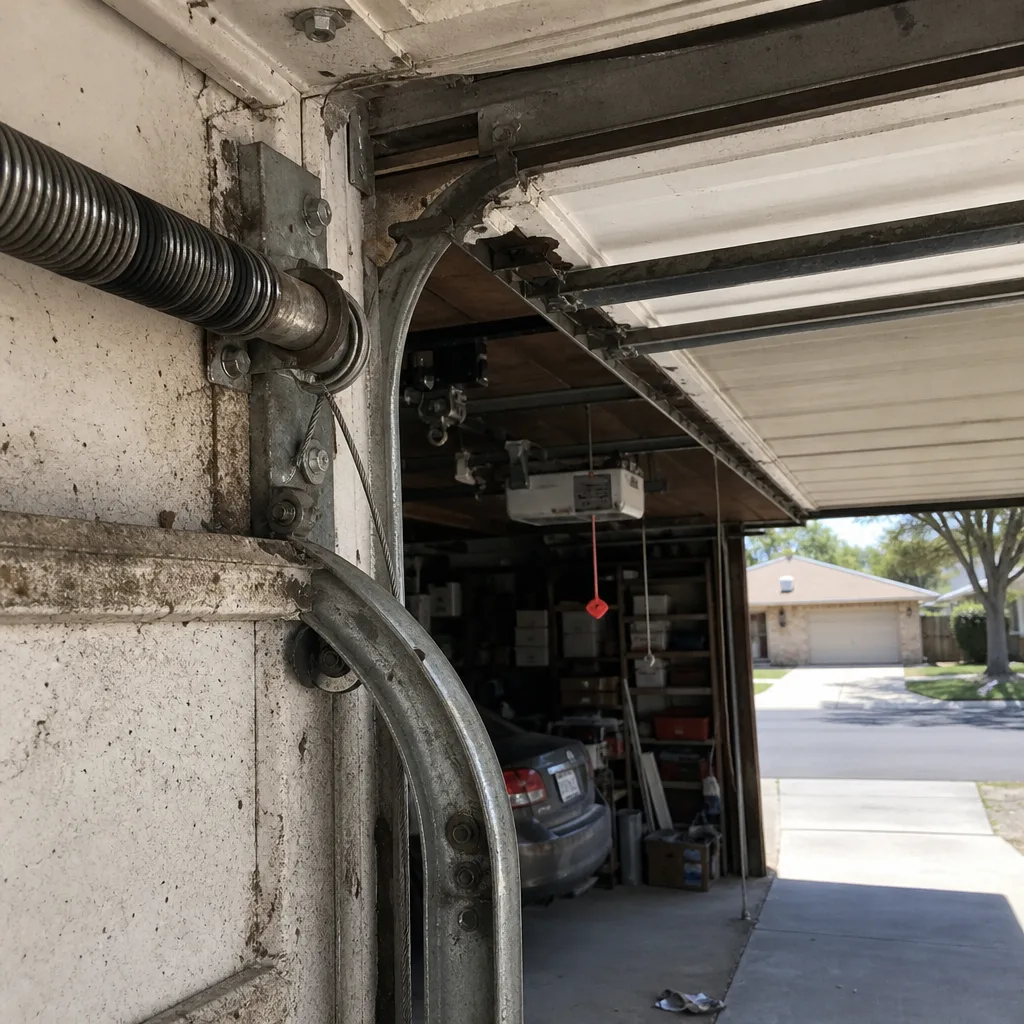 Before
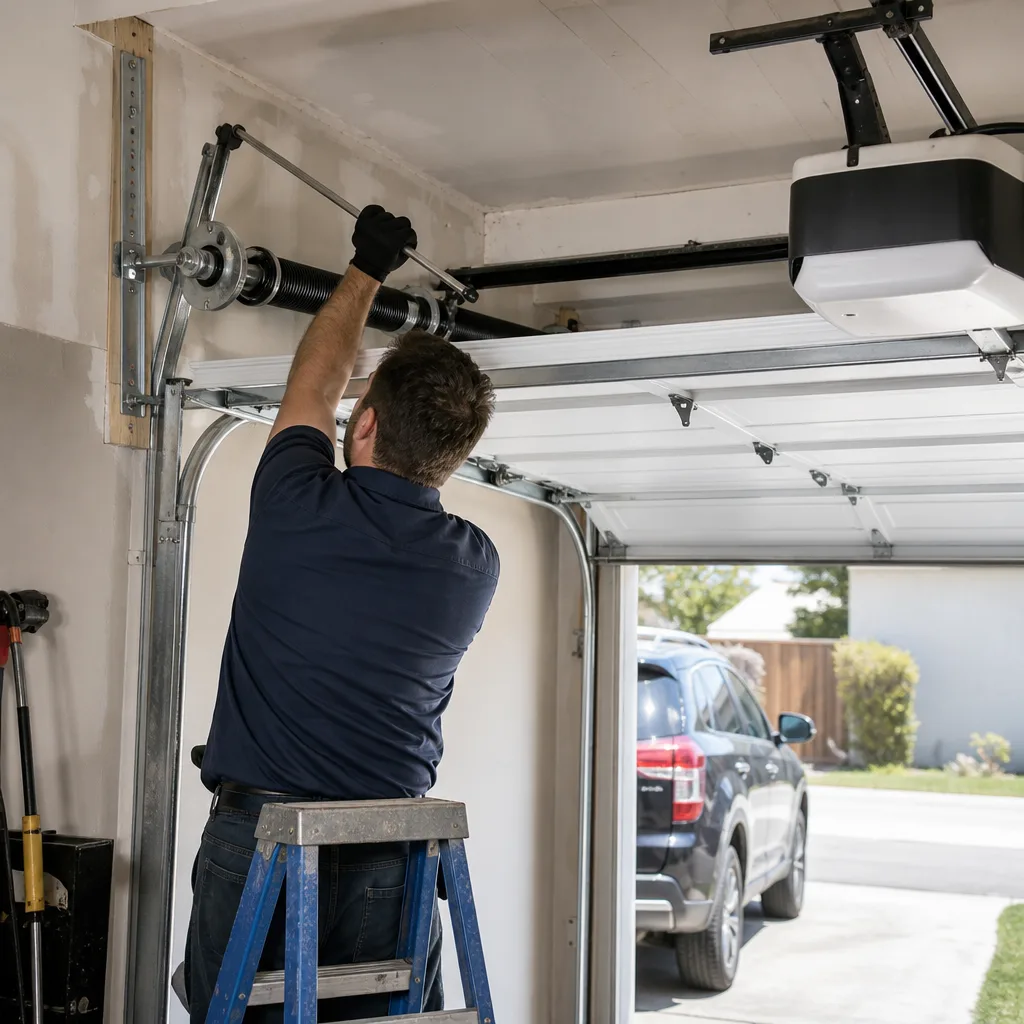 After
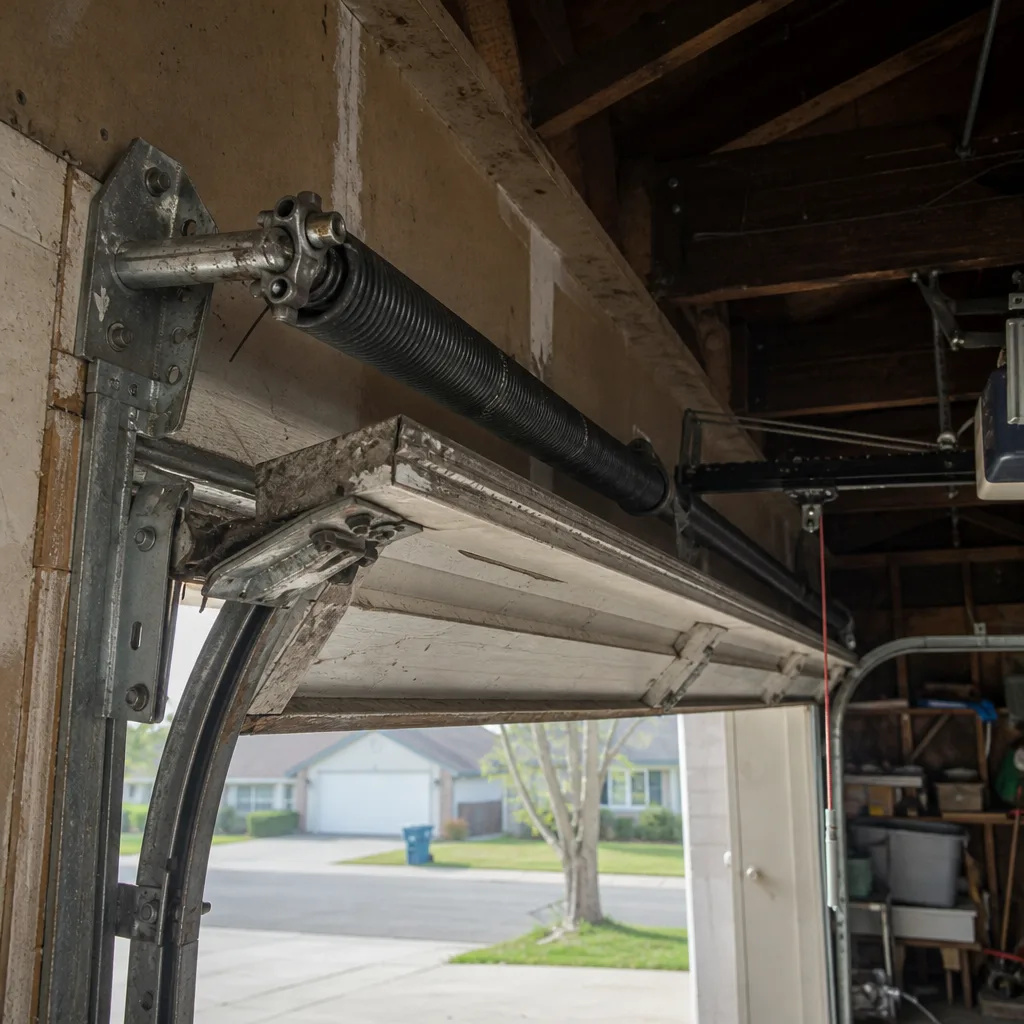 Before
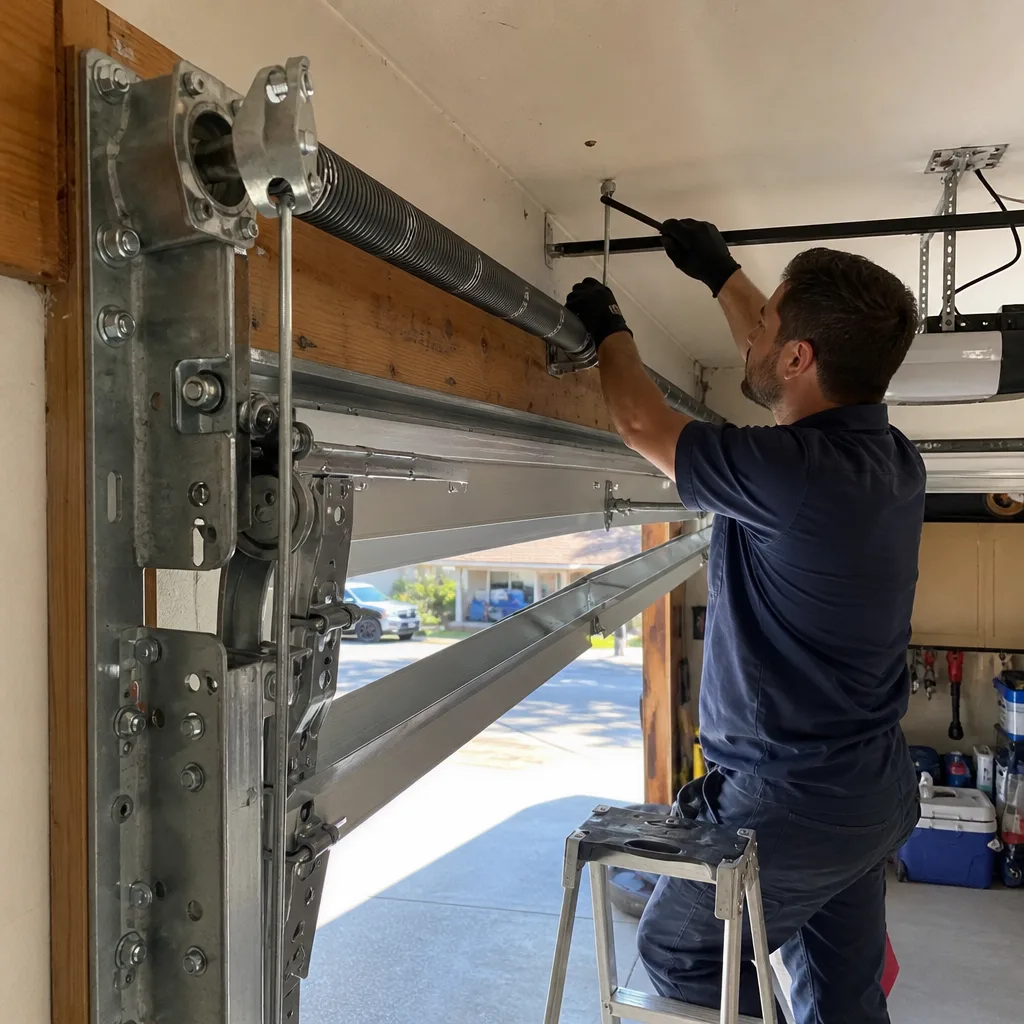 After
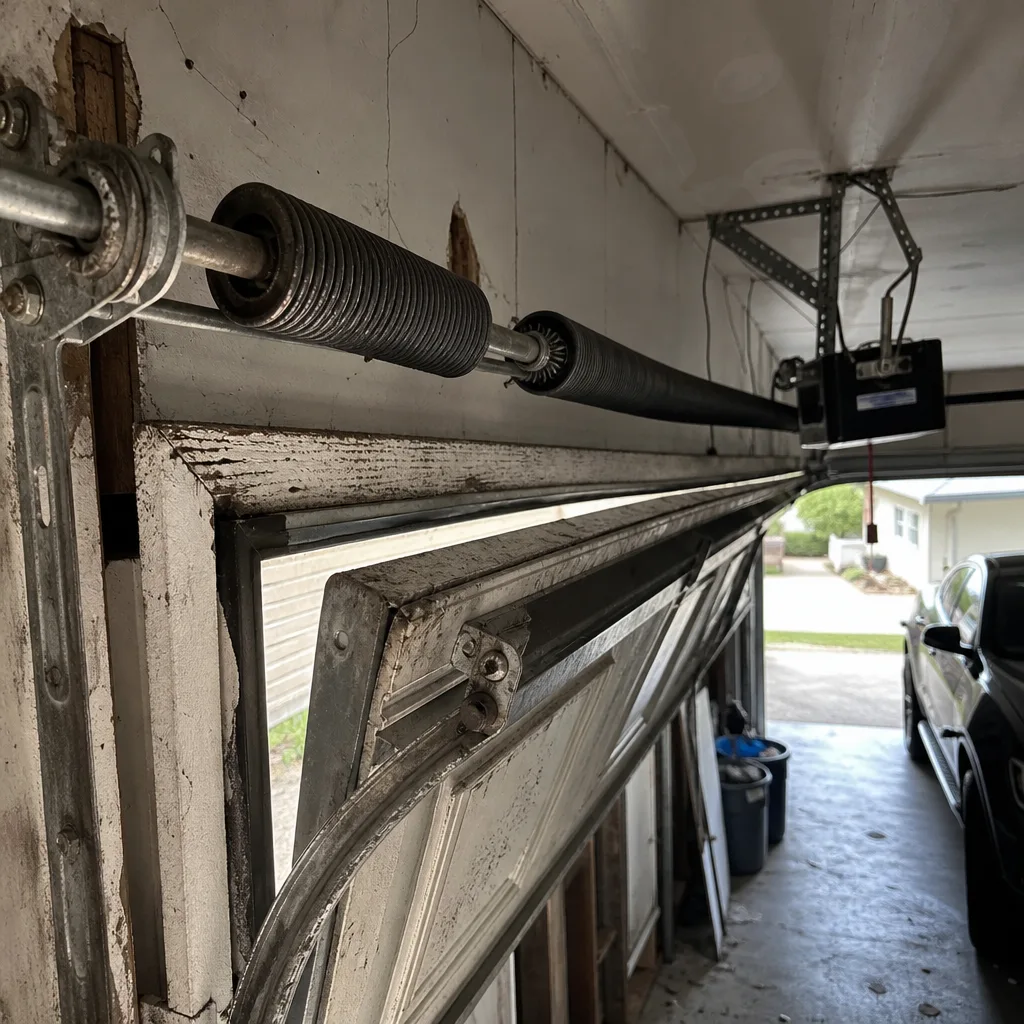 Before
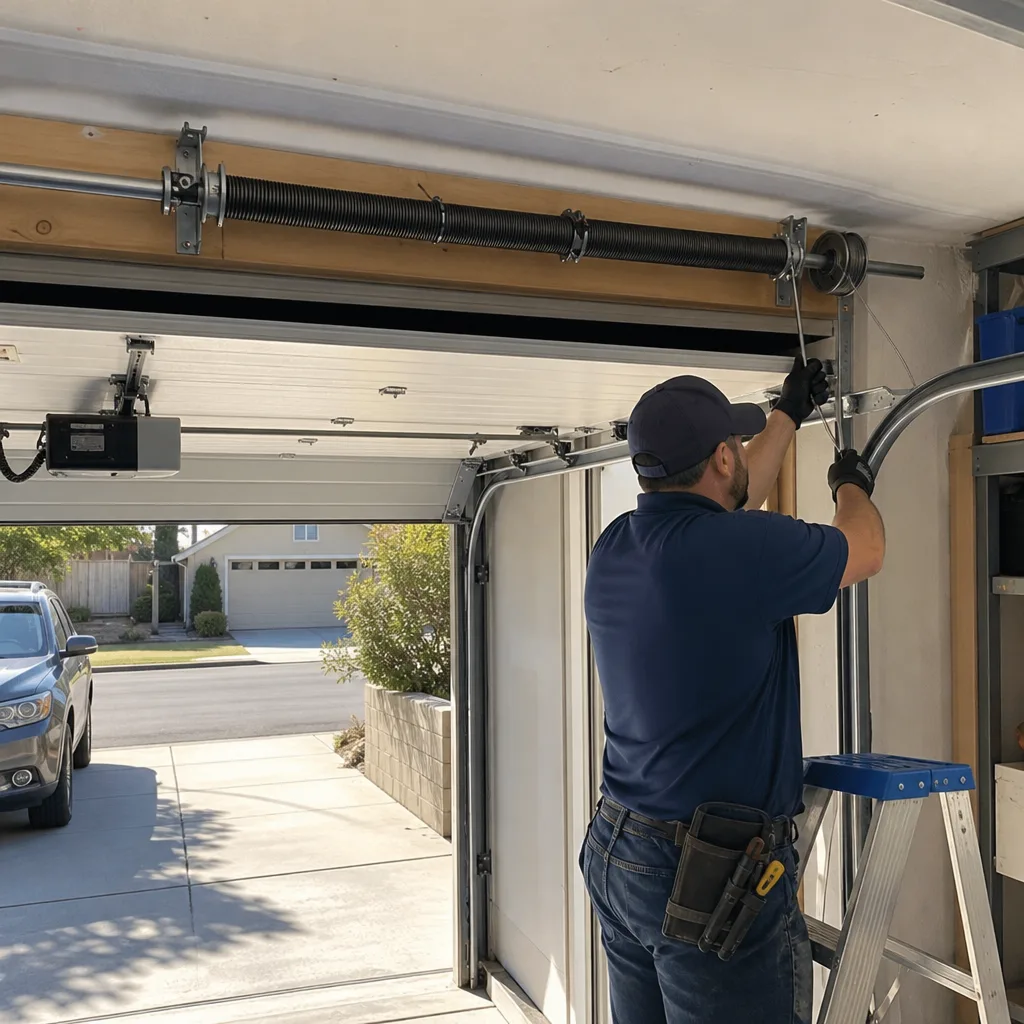 After