
Last updated November 2, 2026
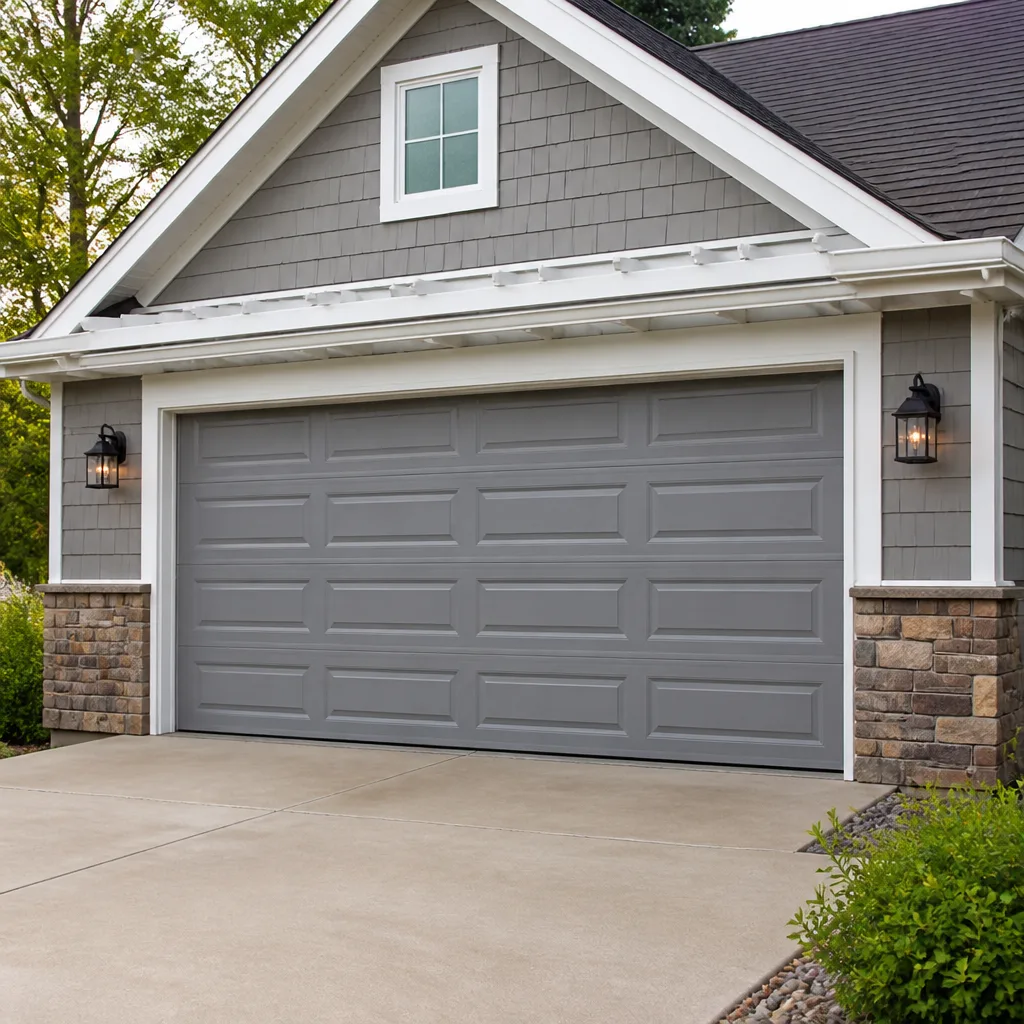 Raised-panel steel
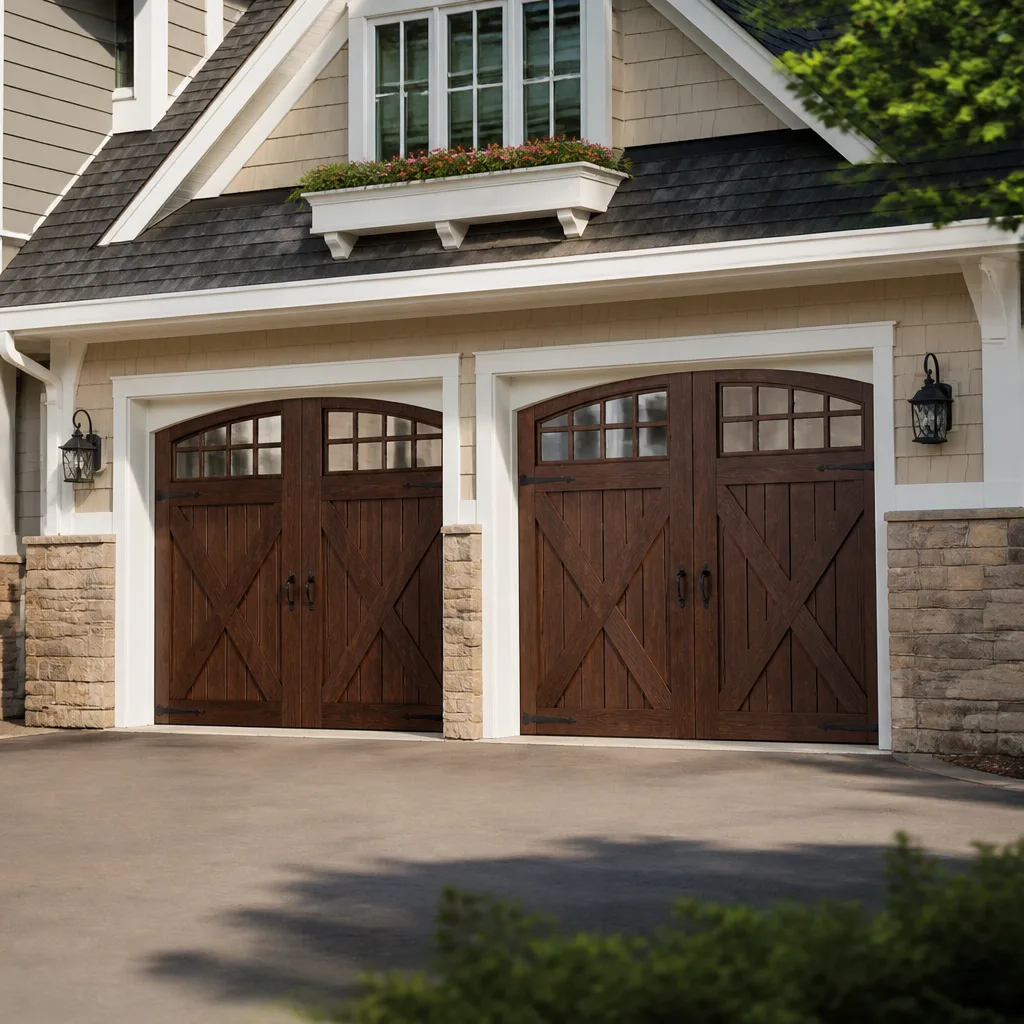 Carriage house
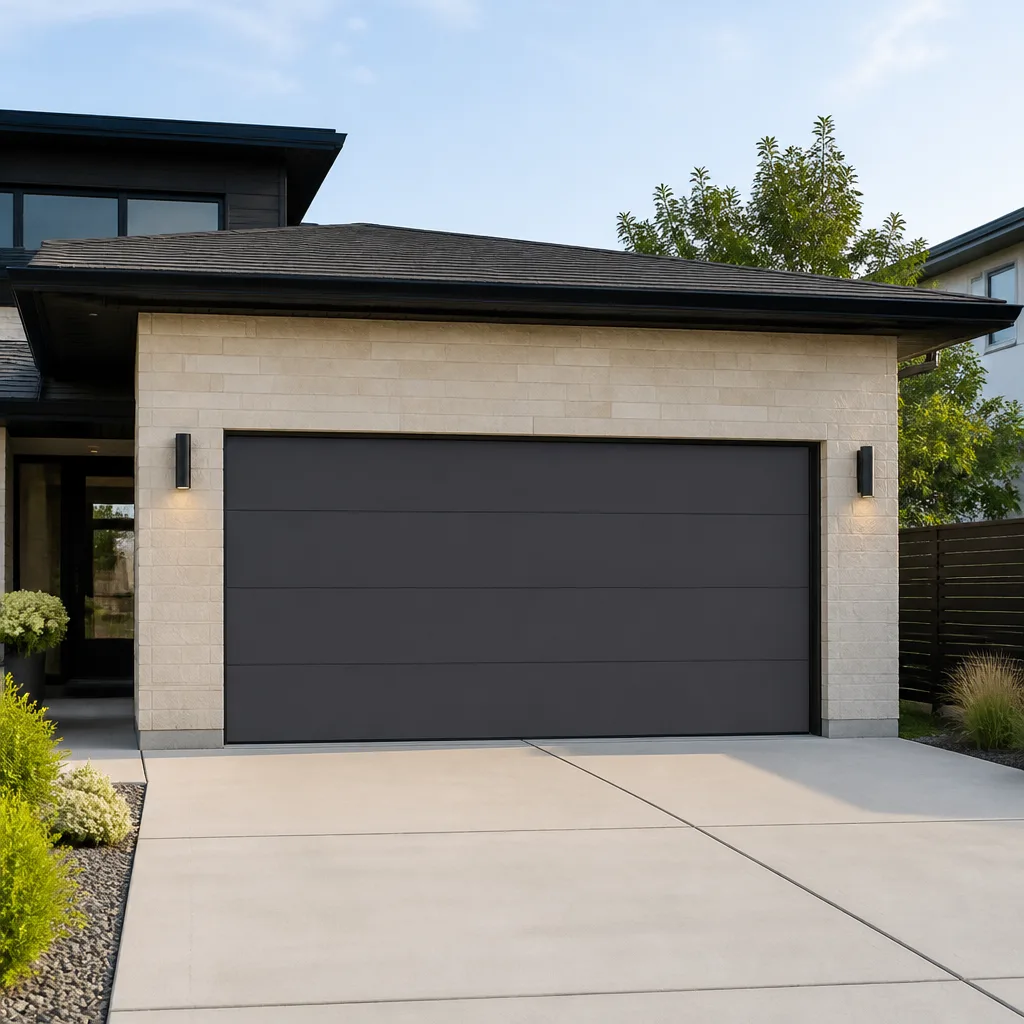 Modern flush
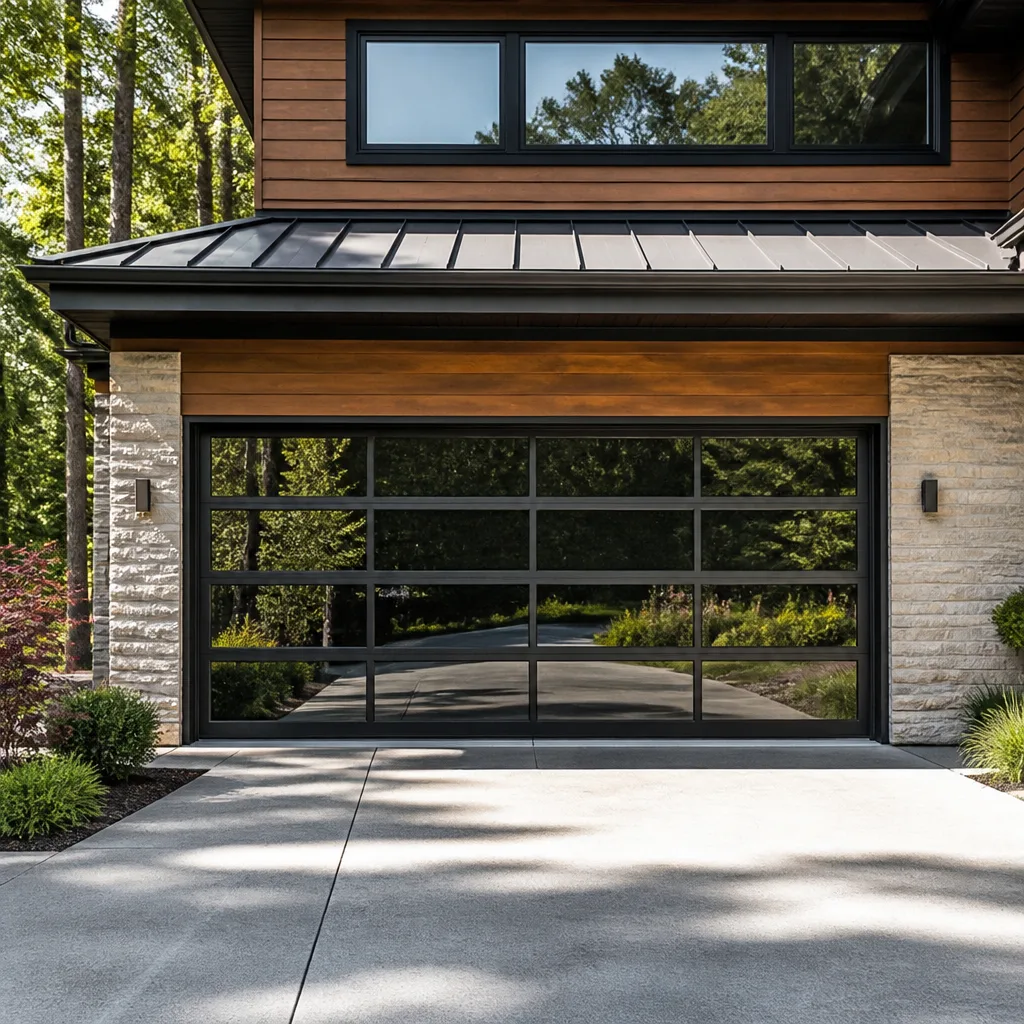 Full-view glass
 LiftMaster openers
 Chamberlain openers
Full 25-point door and opener safety check with every visit - springs, cables, rollers, tracks, and your LiftMaster or Chamberlain opener included
You get a price before we start. It does not change when the truck arrives.
Get your free estimateGarage Door Permits, Codes & Inspections in CA: What You Need to Know
Replacing a garage door in California without a permit doesn’t just risk a fine. It can create a disclosure liability that surfaces years later when you sell the home. Most Midway homeowners we talk to aren’t trying to skip the rules. They simply never heard the trigger threshold explained in plain terms. This guide covers what California Building Code (CBC) actually requires, how seismic bracing under SB 13 affects door configurations, and what a Midway inspector will check before signing off. For related reading, see our Garage Door Warning Signs: A Midway Homeowner’s Reference Guide. You’ll learn the difference between a simple permit pull and a full plan-check submission, plus the specific CBC sections that govern residential garage door work.
Styles & brands we work with
- Raised-panel steel
- Carriage house
- Modern flush
- Full-view glass
- LiftMaster openers
- Chamberlain openers
Quick Answer
Most garage door replacements in California require a building permit, but repairs that don’t alter the structure, size, or weight of the door typically don’t. The trigger is whether the work changes the door assembly itself: new door slab, new tracks, new springs, or modification to the header. A permit costs between $80 and $250 in most jurisdictions, and the final inspection checks four things: attachment to the header, seismic bracing where required, opener force settings, and emergency release function.
Table of Contents
- The CBC Sections That Actually Govern Garage Doors
- Repair vs. Replacement: Where the Permit Line Falls
- Seismic Bracing and SB 13: What Midway Homeowners Need to Know
- Plan Check vs. Over-the-Counter Permit: When Each Applies
- How Midway’s Local AHJ Layers Requirements on Top of State Code
- What a Passing Inspection Actually Checks
- The Permit Process for a Garage Door Replacement: Step by Step
- Common Mistakes to Avoid
- When to Call a Professional
- Frequently Asked Questions
- The Bottom Line
The CBC Sections That Actually Govern Garage Doors
California’s garage door requirements live in three places, and most homeowners never see any of them. The first is CBC Chapter 3, which covers building planning and sets the structural rules for door openings. The second is Chapter 17, which governs structural tests and special inspections. The third, and most relevant for garage door work, is the residential section at CBC R309, which specifically addresses garage openings and vehicle access.
CBC R309 requires that any garage door assembly be listed and labeled by a recognized testing agency. That means the door, the tracks, the springs, and the hardware all need an evaluation report behind them. In practice, this is why manufacturers like Clopay, Amarr, and Wayne Dalton submit their products for third-party testing. When a Midway inspector asks for the door’s listing documentation, they’re checking that the door meets wind load and static pressure requirements for the region.
The section most homeowners trip over is CBC R301.2.1, which sets the design criteria for wind exposure. Midway sits in Exposure B territory, which is moderate by California standards. But that designation still dictates minimum door gauge, reinforcement requirements, and attachment schedules. A door rated for a sheltered coastal inland valley may not meet the same criteria as one rated for the Sacramento Valley’s wind patterns. This is where a generalist contractor gets into trouble: they order a door by size and style, without checking whether the listed design pressure matches the exposure rating for the specific parcel.
There’s also CBC R602.10, which covers wall bracing. When a garage door opening exceeds certain width thresholds, the wall segments on either side of the opening have to carry additional bracing. This matters in Midway because many older homes were built before current bracing formulas existed. Replacing a single-car door with a wider double-car opening isn’t just a door project. It’s a structural modification that requires a plan check and possibly an engineer’s letter.
At Wexford Garage Door Repair home we keep current code references on hand for every install. It’s not that we love reading code books. It’s that the building department asks pointed questions, and a wrong answer delays your inspection.
Repair vs. Replacement: Where the Permit Line Falls
The distinction California draws between repair and replacement is smaller than most people think. You don’t need a permit to replace a broken torsion spring, a damaged panel, worn rollers, or a failed opener motor. Those are considered maintenance repairs because they don’t change the door’s structural characteristics. You do need a permit when you replace the door slab itself, alter the rough opening, change the door’s weight class, or replace the tracks and hardware as a complete assembly.
Here’s the list that matters, drawn from how Midway’s building department applies state code:
- No permit needed: spring replacement (torsion or extension), roller and hinge replacement, panel repair, opener replacement, weather seal replacement, track realignment.
- Permit required: full door slab replacement, new door in an existing opening that was not previously a garage, widening the rough opening, replacing a door with a significantly different weight, converting a single door to a double door.
- Gray zone, ask first: replacing all hardware and tracks while keeping the existing slab, changing door material in a way that alters wind-load performance, adding a pass door to an existing garage door slab.
One nuance that catches people off guard: the permit trigger is not about cost. A $6,000 custom Amarr door replacement needs a permit just as much as a $900 builder-grade Clopay swap. The trigger is the nature of the work, not the price tag. We’ve had Midway homeowners argue that their door was “just a replacement of the same thing” and get surprised when the inspector points out that the replacement door’s listed design pressure differs from the original.
If you’re unsure whether your project crosses the line, call Midway’s building department before you start. They’d rather answer a ten-minute question than deal with a stop-work order later. So would you.
Seismic Bracing and SB 13: What Midway Homeowners Need to Know
Senate Bill 13, signed into California law in 2019, changed how local jurisdictions handle residential seismic retrofits. The bill itself focuses on soft-story buildings and certain multi-family structures, but its provisions rewired how building departments think about garage bracing. For single-family homes, the operative requirement comes from CBC R602, which specifically addresses garage door openings as braced wall line interruptions.
The rule in practice: when a garage door opening exceeds 9 feet in width, or when the wall segments on either side of the opening measure less than 24 inches, the door assembly must include reinforced horizontal struts. These struts, sometimes called trusses or stiffeners, mount to the interior face of the door and increase its resistance to lateral loads. A standard single-car door at 8 or 9 feet frequently avoids this requirement. A double-car door at 16 or 18 feet almost always triggers it.
This is where door selection matters. A panel design from Clopay, Amarr, or Wayne Dalton carries manufacturer-specified strut requirements for California installations. When a door ships without the struts installed, the installation isn’t code-compliant, even if everything else looks correct. We’ve corrected installations in Midway where a general contractor installed a door with no struts, passed the operational inspection, and only got flagged later when the house went under contract and a buyer’s inspector caught it during the pre-sale inspection. Avoid this scenario with our Garage Door Repair Maintenance Checklist for Midway Homeowners. The repair cost the seller more than the original door had.
Wood garage doors, common on older Midway homes built before the 1980s, carry their own seismic considerations. The CBC requires specific hinge gauge and fastening patterns for wood door panels in high-seismic zones. If you’re keeping a wood door and replacing the hardware, verify that the new hardware meets the same standard as the original. Older hardware was often heavier, and swapping in lighter modern components can reduce the door’s lateral stability.
Plan Check vs. Over-the-Counter Permit: When Each Applies
California building departments process garage door permits two ways, and knowing which one applies to your project saves weeks of waiting. A simple residential door replacement, same size as the original, no structural changes, typically qualifies for an over-the-counter permit. You walk in, or apply online, submit the door’s specifications, pay the fee, and walk out with a permit number. The review is administrative, not structural.
A plan-check submission is different. You’re submitting drawings that a plan reviewer examines against code, and the process takes longer because a human with a desk and a red pen is looking at your project. Plan checks apply when any of these conditions exist:
- The rough opening is changing size, even by an inch.
- The door’s weight or design pressure class differs from the original.
- The project involves a historic property or a home in a designated overlay district, which parts of Midway do have.
- The garage is attached, and the header above the door requires modification.
- The wall bracing calculation changes because the door opening is wider or off-center.
Most Midway homeowners fall into the over-the-counter category, and that’s a good thing. The average over-the-counter garage door permit in California’s smaller jurisdictions runs $80 to $180, with the fee often calculated as a flat rate rather than a valuation-based percentage. Larger cities and coastal counties can push higher, but Midway’s scale keeps the fee structure relatively modest.
The time difference is where plan-check projects hurt. An over-the-counter permit can be issued the same day if all paperwork is in order. A plan check for a garage door modification adds two to six weeks to the timeline, depending on the department’s current workload. If your project triggers a plan check, start the paperwork before you order the door.
How Midway’s Local AHJ Layers Requirements on Top of State Code
California’s building codes set the floor, not the ceiling. Every local Authority Having Jurisdiction, or AHJ, can add requirements that exceed state minimums, and Midway’s building department does exactly that in two areas. Understanding these local layers before you start a project prevents a stalled inspection.
The first local layer involves the permit placard. Midway requires the permit to be visible from the street during the entire project, meaning it gets posted in a front window or on a weather-protected board near the garage. This isn’t a California state requirement. It’s a Midway enforcement practice, and inspectors here enforce it with surprising consistency. A missing placard on inspection day can trigger a failed inspection, which means a re-inspection fee and another two-week wait.
The second local layer involves driveway and right-of-way protection. When a garage door replacement requires a trailer or vehicle parked on the street, Midway’s code enforcement expects the work vehicle to be moved off the street by dusk unless a separate encroachment permit was pulled. This catches contractors who work half-day jobs and leave materials staged overnight. Homeowners rarely know about it until a notice shows up in the mail.
Midway has also adopted the statewide requirement for carbon monoxide detectors in homes with attached garages, but the local fire marshal’s office applies it at final inspection. If your garage door project triggers a permit, and the fire marshal’s checklist includes a CO detector check, the absence of one can fail the inspection even if the door work itself is perfect. This isn’t a garage door rule. It’s a Midway inspection reality. Install the detector before the final inspection and skip the second trip fee.
For anyone searching for Garage Door Installation in Midway, the takeaway is simple: state code tells you what’s legal, but Midway’s local practices tell you what passes the first time.
What a Passing Inspection Actually Checks
Most homeowners think the inspector is there to look at the door. They’re half right. The inspector is checking the connection between the door and the house, and whether the moving parts behave the way the code assumes they will. In Midway, the residential garage door inspection follows a predictable checklist, and knowing it in advance means you can verify each item before the inspector arrives.
Here’s what a passing inspection checks, in the order most inspectors follow:
- Attachment to the header: the horizontal beam above the door opening must be fastened to the framing with hardware rated for the door’s weight. Lag screws, not nails, are the standard here. The inspector will check the size and spacing of the fasteners.
- Seismic bracing, where required: if the door width or wall configuration triggers strut requirements, the inspector verifies the struts are present, properly spaced, and attached with the manufacturer’s specified fasteners.
- Opener force settings: the opener’s auto-reverse mechanism must reverse within two seconds of contacting a 1.5-inch obstruction at floor level. The inspector tests this with a board or a force gauge, and this is the single most common failure point in Midway inspections.
- Emergency release function: the red cord must disengage the opener from the door, allowing the door to be operated manually. The cord must be reachable from a standing position without a ladder.
- Bottom seal compliance: the weather seal at the bottom of the door must provide a continuous contact with the threshold. This is a rodent, water, and air-infiltration requirement under CBC R309.
- Photo eye alignment: both safety sensors must be mounted no higher than 6 inches from the floor, aligned with each other, and functional. The door must reverse when the beam is interrupted.
One detail worth knowing: Midway inspectors are trained to spot opener replacement during a permitted door install. If you’ve recently installed a new opener, even a DIY job, they’ll check that it carries the same listing requirements as the door. A door and opener from mismatched testing cycles can raise a question, especially when the opener is from a residential line but the door is rated for heavier commercial loads.
The Permit Process for a Garage Door Replacement: Step by Step
If you’ve never pulled a permit in California, the process looks bureaucratic from the outside. In practice, for a straightforward garage door replacement, it’s a five-step sequence that can be completed in under a day.
- Determine your trigger: check whether your project qualifies as a replacement requiring a permit, or whether it’s a repair that doesn’t. If you’re replacing the door slab, assume you need a permit unless Midway’s building department tells you otherwise in writing.
- Gather your documentation: you’ll need the door manufacturer’s name, the model or series designation, the door’s weight, the design pressure rating, and the rough opening dimensions. For doors from Clopay, Amarr, or Wayne Dalton, this information comes from the spec sheet the dealer provides.
- Submit the application: Midway accepts residential garage door permits through its online portal for over-the-counter review. You’ll upload the documentation, pay the fee, and receive a permit number if everything checks out. For plan-check projects, you’ll submit drawings and wait for the review cycle.
- Schedule and pass the inspection: after the door is installed and the opener is adjusted, you call for an inspection. The inspector verifies the checklist items above and either passes the work or issues a correction notice.
- Close the permit: once the inspection passes, the permit is finalized. Keep documentation with your home records, because you’ll want it when you sell. If you ever need Garage Door Repair in Midway down the road, that permit record also gives your tech the original door’s specs at a glance.
The sequence sounds simple because it is. What adds time to the process is a wrong door weight on the application, a missing design pressure rating, or a header that turns out to be undersized. Those surprises get discovered during inspection, not during application, and they send the project into a correction cycle that adds weeks.
Common Mistakes to Avoid
Most failed Midway garage door inspections trace back to one of a handful of avoidable mistakes. Here are the ones we see most often:
- Skipping the permit entirely on a door replacement. It works until you sell the house, and then the buyer’s inspector notices the lack of a permit record and requests the seller address it. In a hot seller’s market, a permit gap can still cost you negotiation leverage.
- Assuming an opener replacement needs a permit. It doesn’t, under California residential code. But if you’re replacing the opener as part of a full door replacement, the opener’s force settings still get checked at final inspection.
- Ordering a door by size and style without checking the design pressure rating. A door that looks right but carries the wrong exposure rating won’t pass. This mistake is especially common with online door orders.
- Installing a wider door without checking the braced wall requirements. The wall segments beside the opening matter as much as the opening itself. Making the door two feet wider can trigger bracing work that wasn’t part of the original budget.
- Leaving the permit placard out of view. Midway inspectors expect to see it, and a missing placard can fail the inspection before the door is even looked at.
- Testing the auto-reverse with water bottles or small boxes. The code specifies a 1.5-inch obstruction at floor level. Using a taller object means the reverse setting might pass your test but fail the inspector’s.
- Replacing a wood door with metal without checking header capacity. A steel or aluminum door can weigh less than wood, but some modern insulated doors weigh more. The header sizing assumes the original weight class, and an inspector will catch a mismatched assembly.
When to Call a Professional
If your project involves a full door replacement, a door width change, or a plan-check requirement, bringing in a garage door specialist before you start saves time. Browse more guides & resources from our team to stay ahead of common pitfalls. The wrong door order can’t be returned, and a failed inspection means rework that costs more than the initial savings. We see Midway homeowners who ordered doors online, got them delivered, and then discovered the door’s wind-load rating didn’t match their parcel. Some of those doors are still in garages, uninstalled, because the return shipping was more than the product.
Wexford Garage Door Repair offers free estimates in Midway. We work with Clopay, Amarr, Wayne Dalton, and Craftsman, among others, and we handle the permit paperwork as part of the job. Call (833) 589-9949 and we’ll walk you through what your project actually requires.
Frequently Asked Questions
Yes, if you’re replacing the door slab itself, changing the opening size, or altering the door’s weight class. No, if you’re only repairing existing components like springs, rollers, hinges, or the opener motor. When in doubt, call Midway’s building department and describe the work in plain terms.
A simple residential garage door replacement permit in Midway typically costs between $80 and $180, depending on the valuation of the project and current fee schedules. Plan-check permits cost more and take longer. The exact fee is quoted when you submit the application.
Yes. On a permitted door replacement, the inspector verifies the opener’s auto-reverse force settings, the emergency release function, and the photo eye alignment. These are all items that fail regularly, and they are all adjustable before the inspection. Call (833) 589-9949 and we’ll help you verify them.
The buyer’s inspector may flag the missing permit, and the buyer can request that you obtain one retroactively or provide a credit. Retroactive permits are possible in Midway, but they require an inspection of the completed work, and if the door doesn’t meet current code, you’ll be correcting it before the sale closes.
Yes. Wood doors generally weigh more than comparable steel doors, and the CBC sets specific hinge gauge and fastening requirements for wood panel doors in seismic zones. If you’re keeping a wood door and replacing hardware, verify that the new hardware meets the original standard.
An over-the-counter permit for a straightforward replacement can be issued the same day if all documentation is complete. A plan-check permit for structural changes takes two to six weeks, depending on the department’s workload. Start plan-check paperwork before ordering the door.
The Bottom Line
California’s garage door permit rules aren’t complex, but the trigger points are easy to miss. Repairs don’t need permits; replacements do. Seismic bracing requirements apply more often than homeowners assume, and Midway’s local inspection practices add their own requirements on top of state code. A passing inspection checks attachment, bracing, opener force, emergency release, and bottom seal. If your project crosses the replacement line, you need a permit, full documentation, and a door that matches your parcel’s design pressure rating. For Garage Door Opener Repair in Midway or a permitted full replacement, get the paperwork right the first time.
Written by the team at Wexford Garage Door Repair, serving Midway since 2017.
See the difference
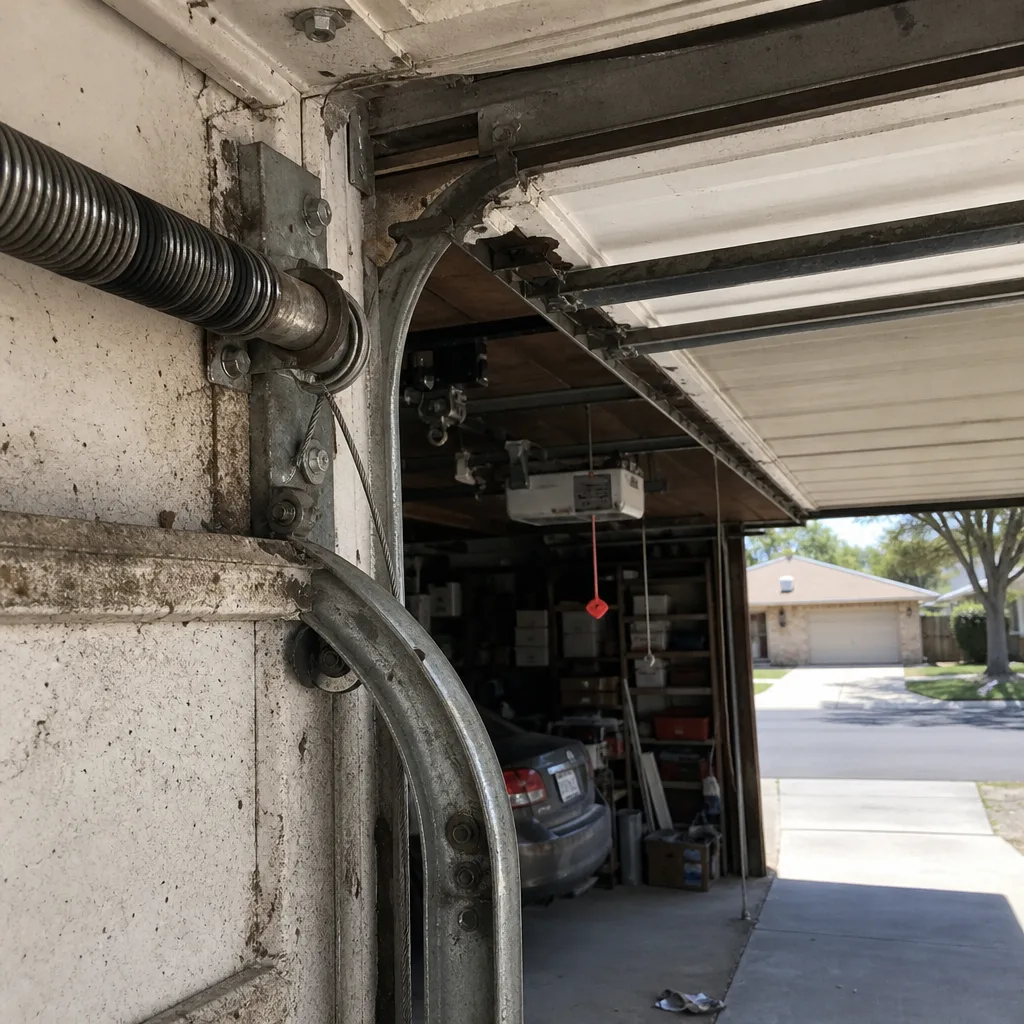 Before
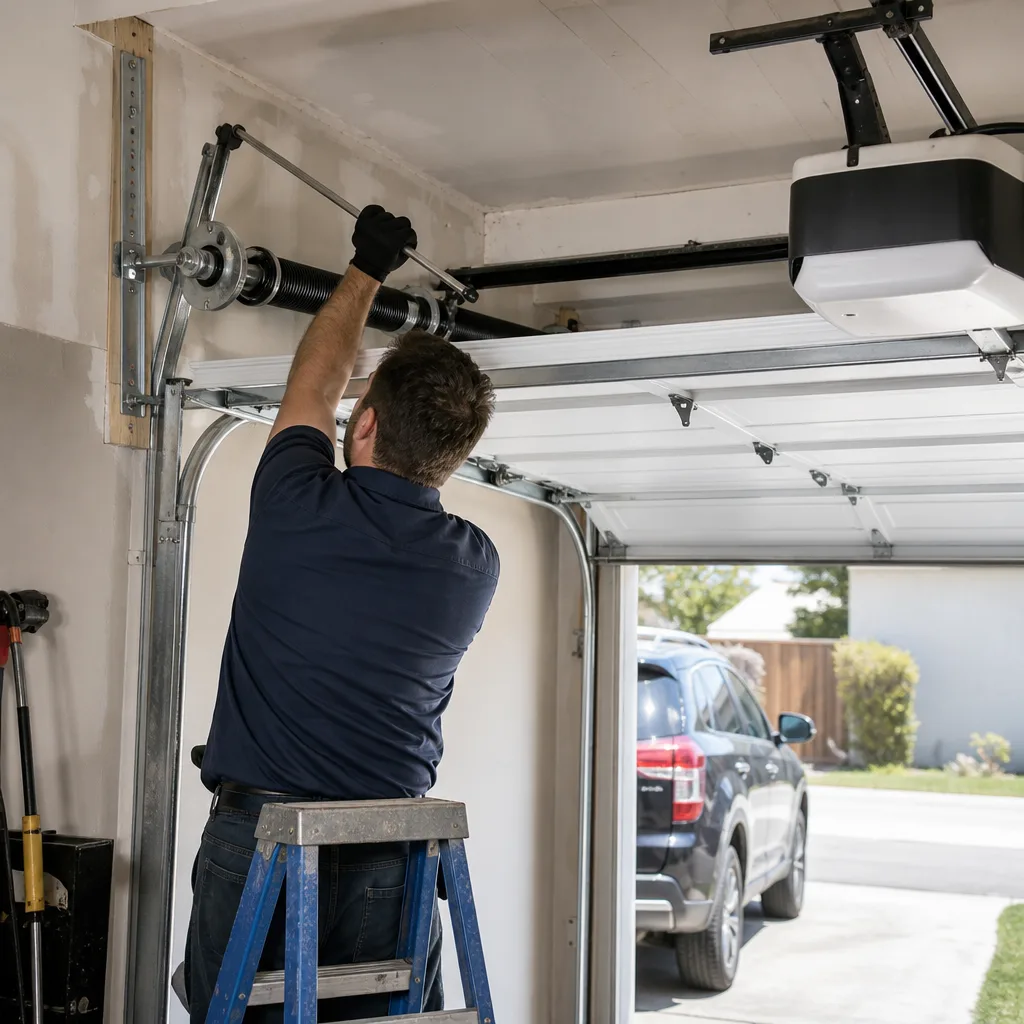 After
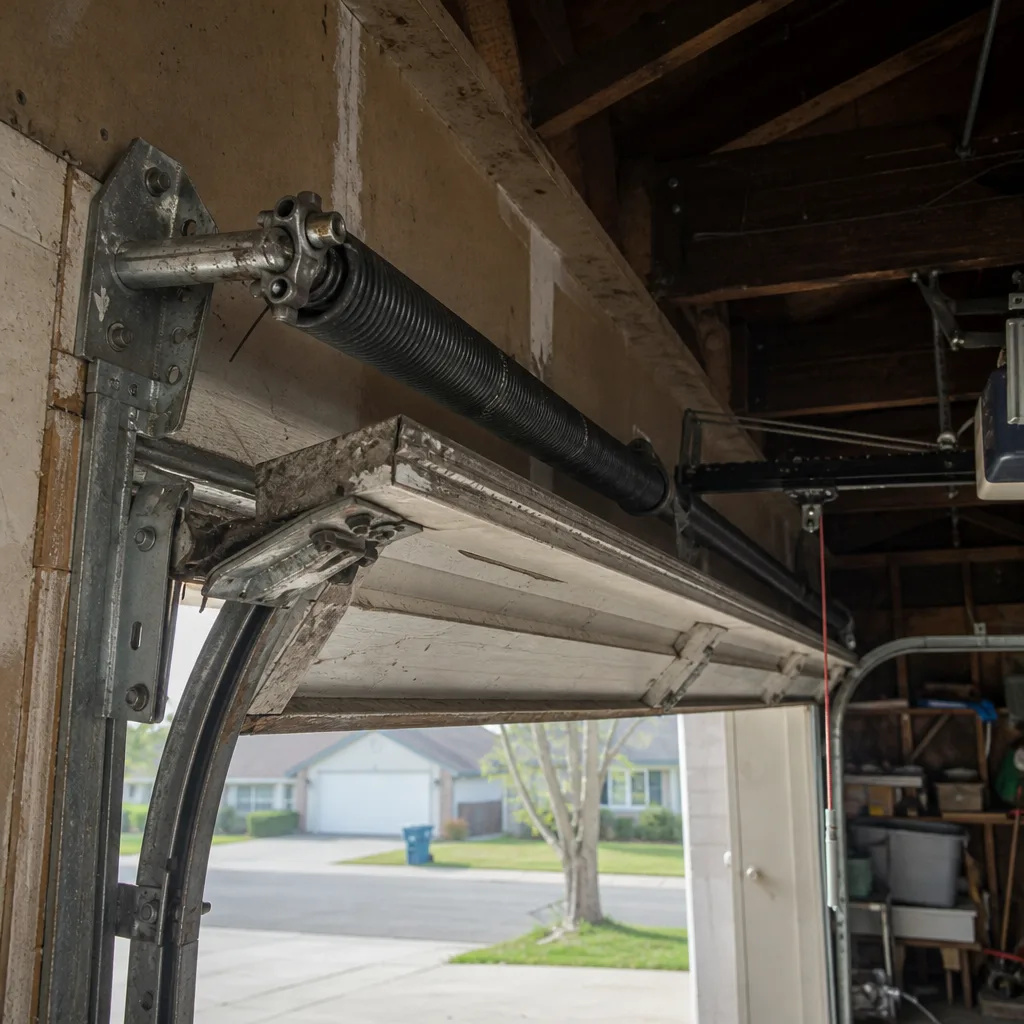 Before
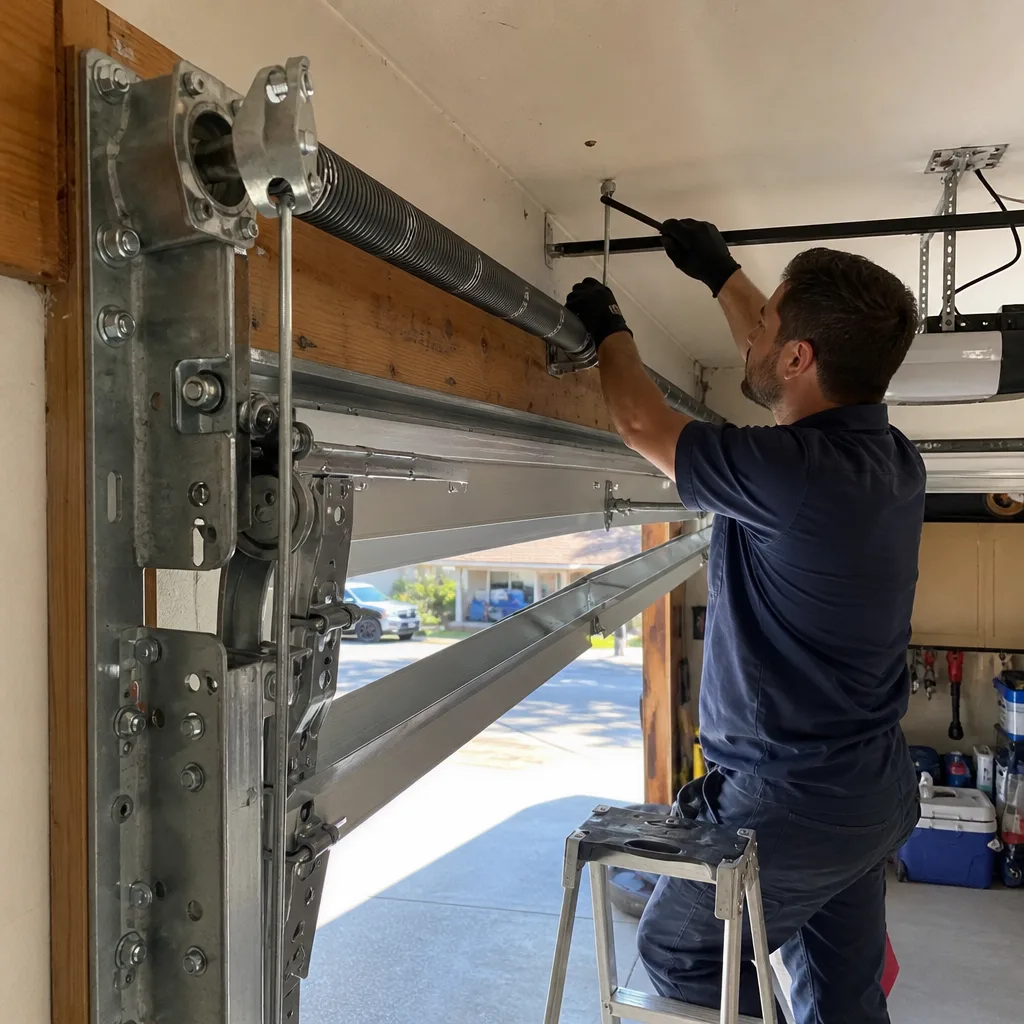 After
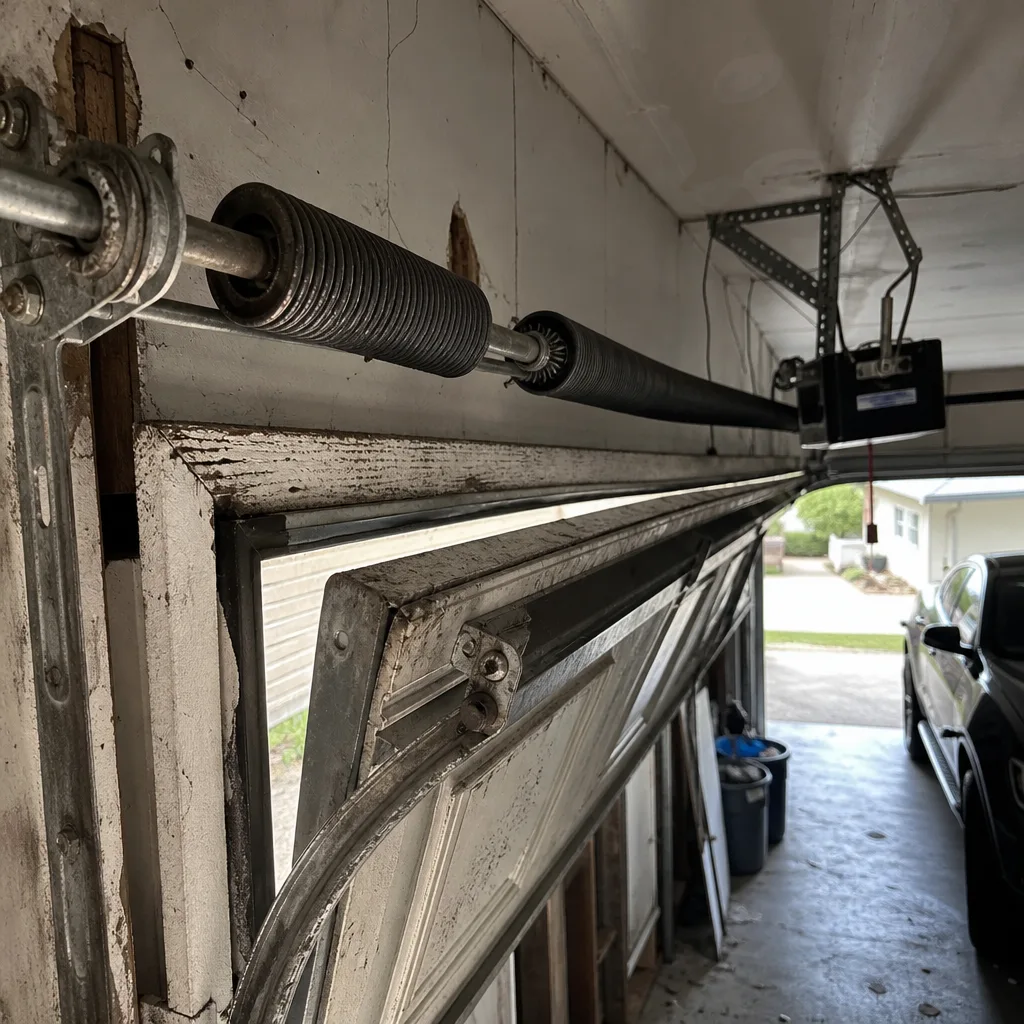 Before
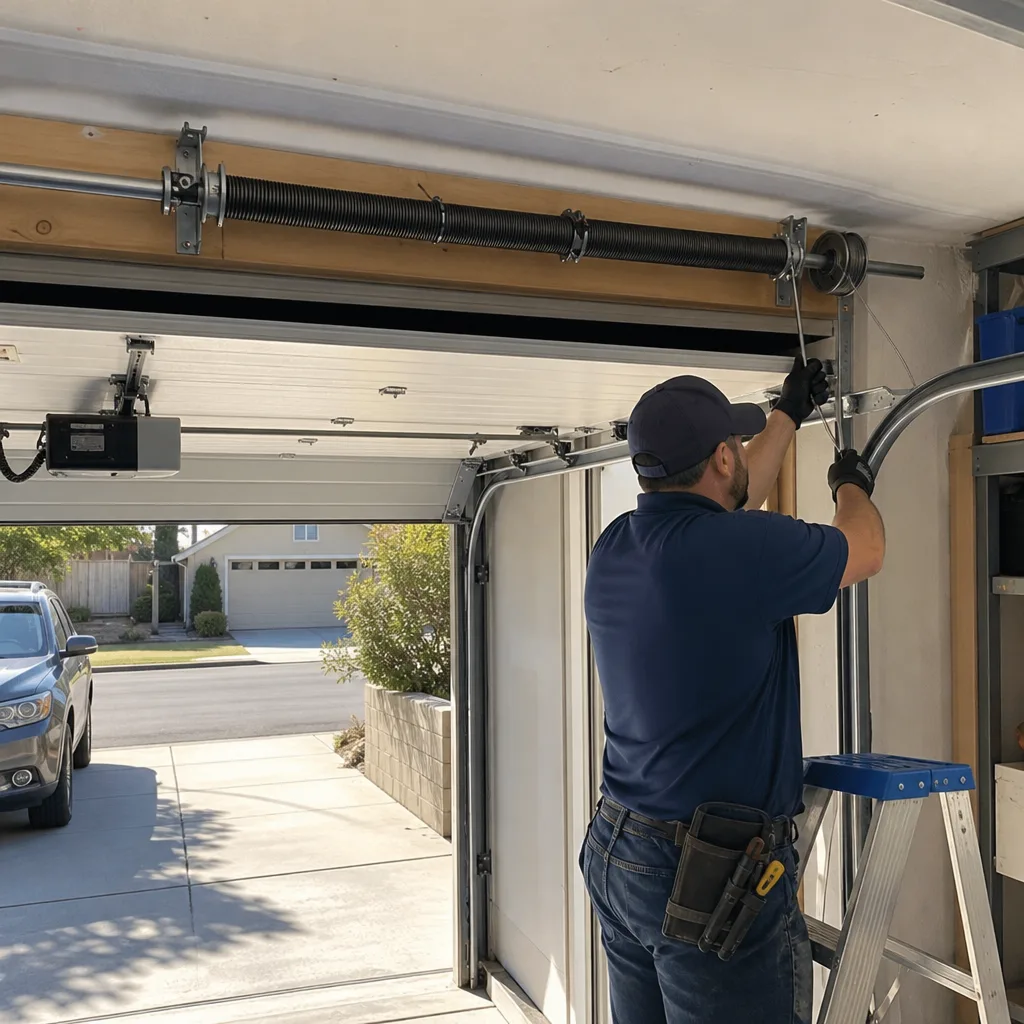 After